

Water World
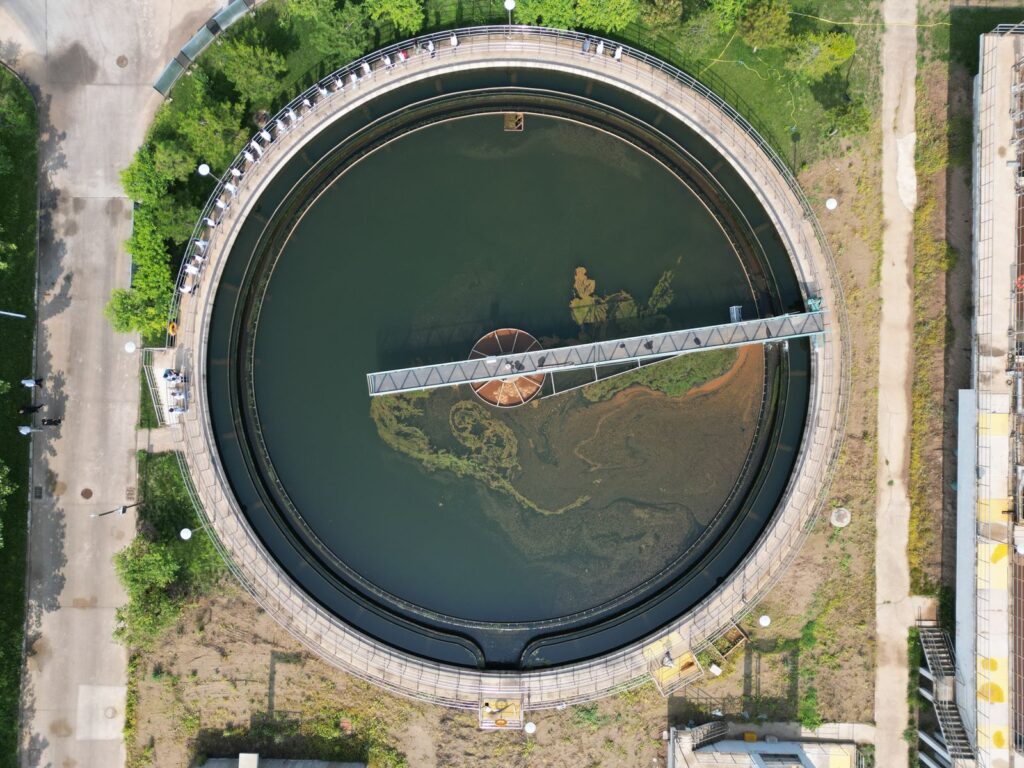
Producing a single cotton T-shirt takes roughly 2,700 litres of water, about what one person drinks in two and a half years
The water hidden in your closet is depleting aquifers faster than you realize.
The water hidden in your closet is depleting aquifers faster than you realize.

Freshwater tardigrades survive vacuum, near-absolute-zero cold, and lethal radiation, but a Penn State team found that dry simulated Mars regolith stopped them cold within 48 hours — while a rinse of water restored them. Perchlorate salts are the leading suspect.

The famous story of edible honey from Tutankhamun's tomb is mostly folklore — but the chemistry that makes honey nearly immortal is real, and a 2025 Yale study suggests the actual residues in Tut's alabaster jars may have been something far stranger: opium.
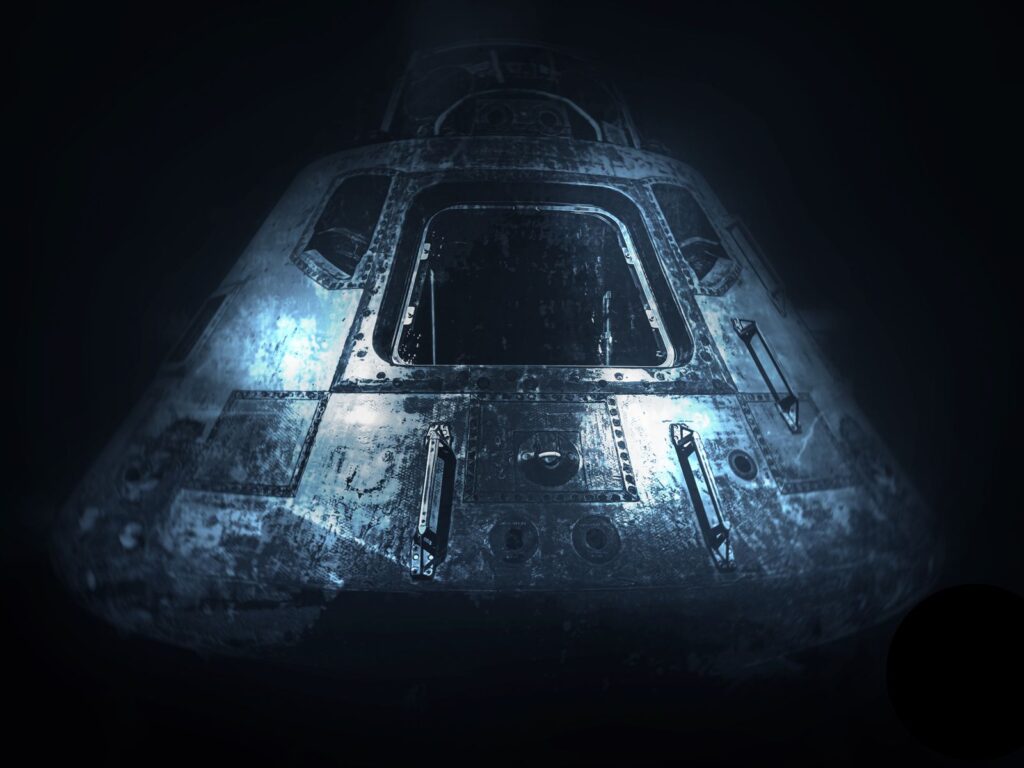
For forty-five years the Soviet Union told the world Laika had survived days aboard Sputnik 2. In October 2002, at the World Space Congress in Houston, scientist Dimitri Malashenkov finally released the telemetry that showed she had died within hours of launch when the cabin overheated past 40 degrees Celsius.
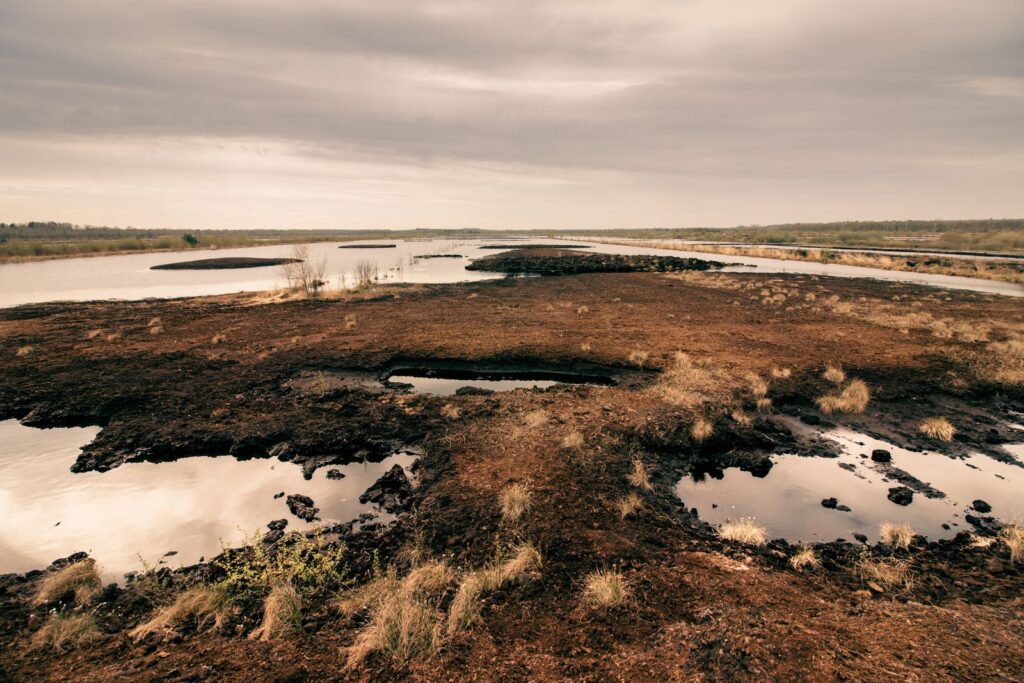
A European court's landmark ruling exposed how illegal irrigation wells drained one of the continent's most biodiverse wetlands to feed a booming berry industry, forcing Spain to finally reckon with the cost of looking the other way.
What’s up in
Civil nuclear energy, reactor technology, regulation, safety, fuel cycles, and the policies, projects, and research shaping the future of nuclear power.




Tracking the future of nuclear energy.
Nuclear Power Daily is an independent publication covering civil nuclear energy, reactor technology, regulation, safety, fuel cycles, and the policies and projects shaping nuclear power. The site pairs a deep archive with current reporting on the research, companies, policy shifts, safety debates, and technical breakthroughs shaping the future of nuclear energy. We employ modern AI technologies to support our editorial workflows. Every published piece is reviewed and approved by a member of our team before it goes live.
More about us →