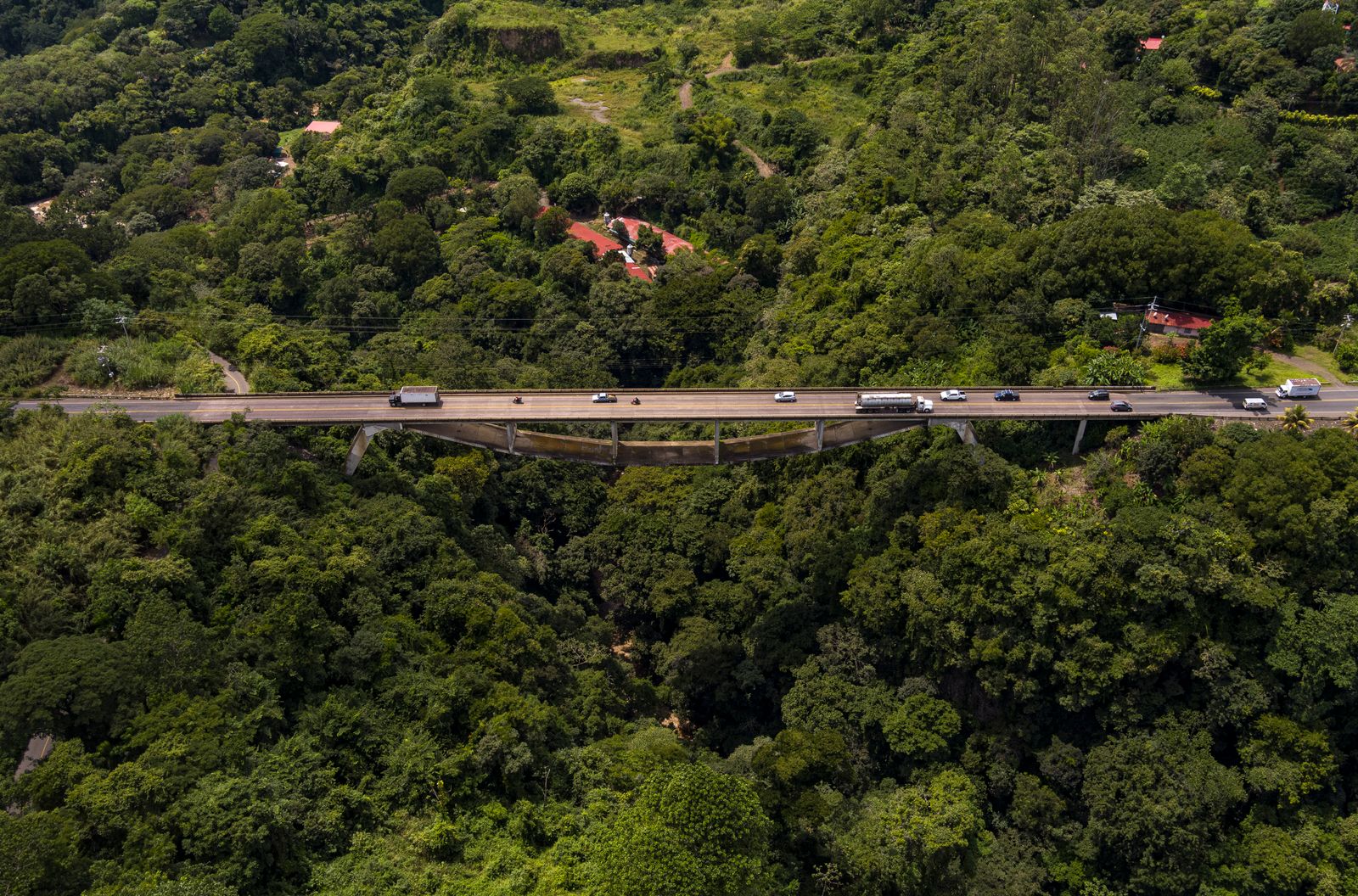
Costa Rica is the country. Its forest recovery came from a combination of protected areas, restrictions on forest conversion and the Pago por Servicios Ambientales program created under Forestry Law No. 7575 and implemented through FONAFIFO from 1997. Forest covered about 29 percent of the country in 1986 and reaches 60.4 percent in the latest World Bank series; the first payment schedule offered landowners ₡50,000 per hectare over five years for forest protection, about US$200 at the exchange rate used in a 1998 program analysis.
The payment was never the whole explanation. Falling returns from cattle, urban migration, tourism, natural regeneration and decades of investment in national parks had already started bending the curve. The payment program helped keep that recovery in place on private land, while the 1996 law made clearing natural forest illegal except under narrow statutory exceptions.
How the forest nearly vanished
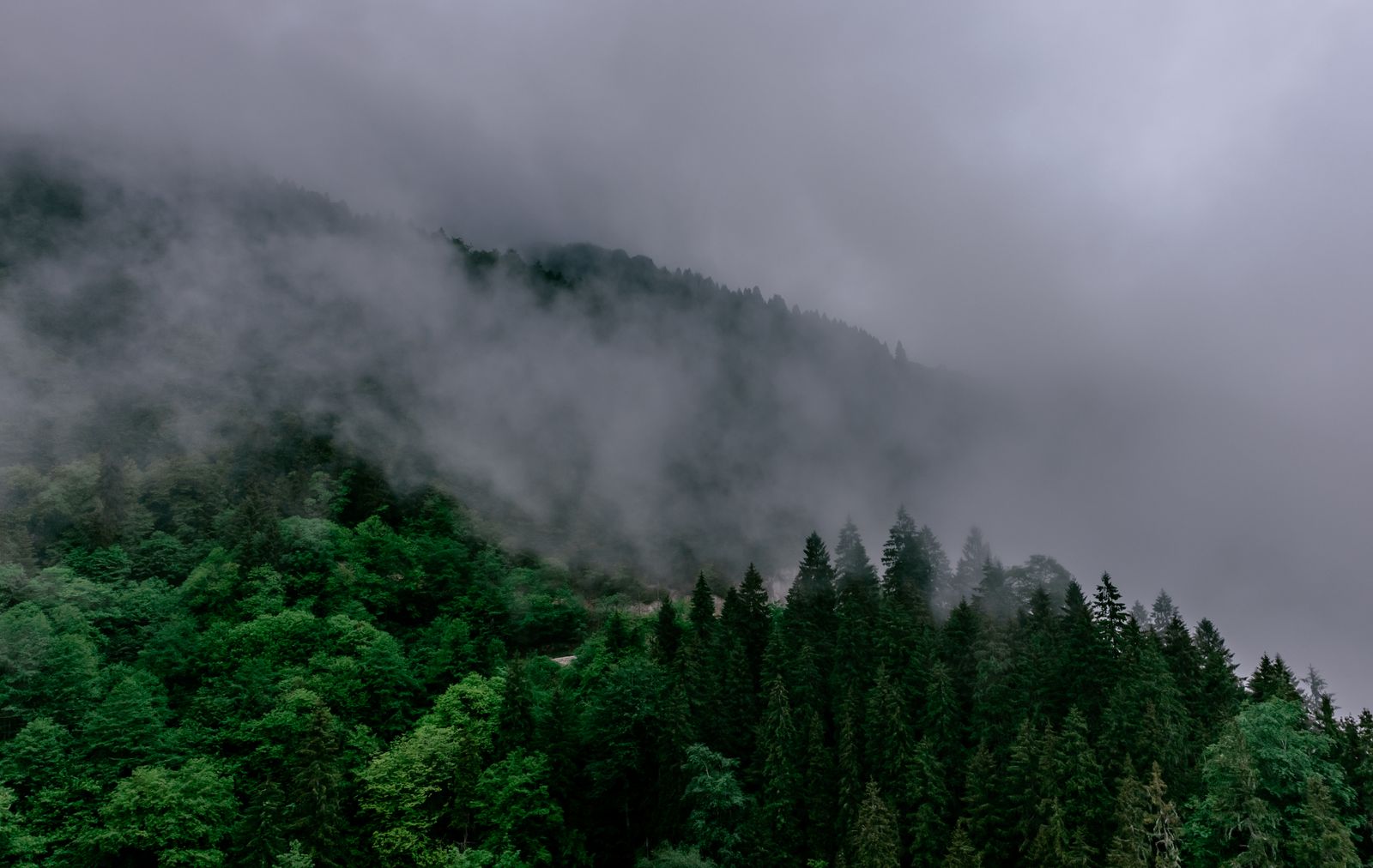
By the 1980s, Costa Rica had one of the highest deforestation rates in the world, a reversal later documented in an Associated Press review of the recovery. Forests had been converted into cattle pasture and farmland across much of the lowlands, leaving the remaining canopy concentrated in mountains, parks and ground too steep or wet to farm easily.
The machinery of loss was economic as much as physical. Roads opened remote valleys, subsidised credit made cattle attractive, and land-tenure rules rewarded owners who could show that supposedly idle ground had been improved. In practice, improvement often meant cutting the forest and establishing pasture.
A World Bank analysis published soon after the payment program began found that forest covered more than half the country in 1950 but only 29 percent in 1986. Of the forest still standing in 1986, about 1.1 percent was converted to other uses each year during the following decade.
The destruction did not produce one clean frontier. It left fragments divided by roads and pasture, with old forest surviving inside protected areas and secondary growth appearing where ranches had been abandoned. Regrowth partly offset the gross loss, but young woodland did not replace the ecological structure of the primary forest being cut.
Why the curve turned before payments began
The cattle economy weakened during the 1980s, making marginal ranches less profitable. People moved toward cities and coastal employment, while tourism attached income to beaches, volcanoes, wildlife and standing forest. Land that had been repeatedly grazed or burned began to fall quiet.
In Costa Rica’s wetter regions, abandoned pasture can green rapidly. Shrubs arrive first, followed by pioneer trees that shade out grasses and create cooler, damper conditions beneath them. A decade can produce something recognisable as young forest, although its trunks, canopy and species community remain far removed from old growth.
Policy had also been moving for years. Costa Rica expanded its national parks and conservation areas from the 1970s onward, protecting large blocks of public land while regeneration continued outside them. The parks supplied reservoirs of seeds and wildlife that could move into recovering landscapes nearby.
Forestry Law No. 7575 changed the legal position in 1996. Costa Rica’s official forest reference submission to the UN climate convention describes the law as banning forest conversion and making deforestation illegal. That restriction gave young secondary forest something natural regeneration could not provide on its own: time without another cycle of clearing.
What Costa Rica actually paid landowners
The law recognised four services produced by standing forests: greenhouse-gas mitigation, water protection, biodiversity conservation and scenic beauty. Through the official FONAFIFO program, owners and qualifying possessors could sign contracts covering forest protection, reforestation, natural regeneration or agroforestry.
The first schedule was modest. Forest protection and natural regeneration received ₡50,000 per hectare over five years, paid in equal annual instalments. Reforestation received ₡120,000 per hectare, with half paid in the first year and the remainder spread across the next four years.
The amounts have changed repeatedly. Under the official 2025-2026 payment resolution, basic forest protection receives ₡105,000 per hectare over five years, or ₡21,000 a year. Forest qualifying for a water-protection or high-biodiversity premium receives ₡185,000 per hectare over five years, or ₡37,000 a year.
Reforestation payments are larger because planting and maintaining trees costs more than protecting an existing stand. The same resolution provides ₡783,644 per hectare for specified fast-growing species, ₡883,576 for medium-growth species and ₡1,325,366 for listed native, threatened or endangered species. Agroforestry contracts generally pay per tree rather than per hectare.
Most public financing comes from 3.5 percent of the revenue raised by Costa Rica’s single fuel tax, supplemented by water charges, private agreements, climate finance and carbon revenue. Contract compliance is checked through forestry reports, site visits, geographic information systems and satellite monitoring. A few colones collected at a petrol pump can therefore travel through FONAFIFO into a five-year contract on a forested slope.
What the payments added to the recovery
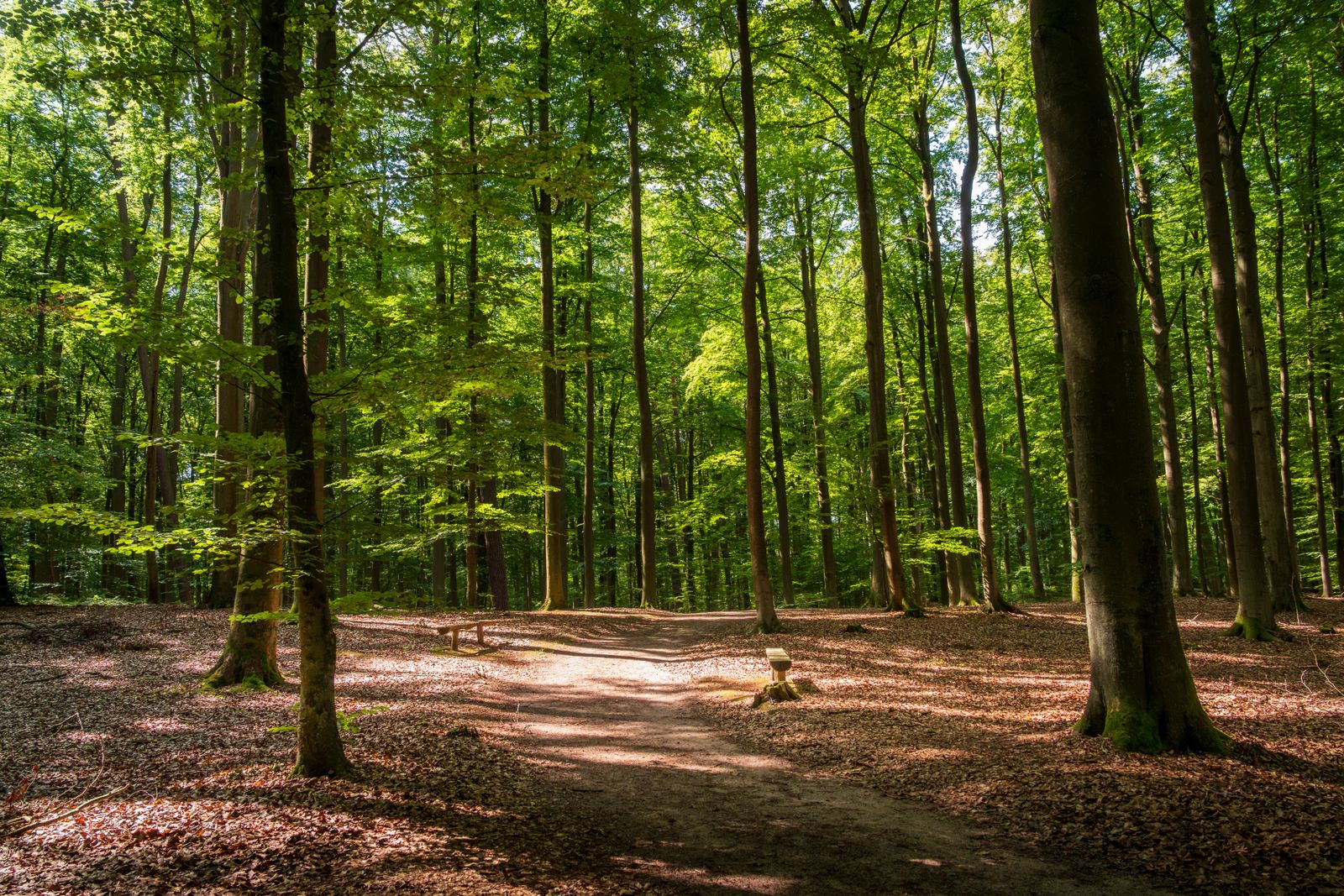
The central research problem is the counterfactual. A contract proves that an owner was paid to protect forest, but it does not prove that the forest would otherwise have been cleared. Much of the land entering the early program was remote, steep or already subject to little immediate agricultural pressure.
A 2008 evaluation of protection contracts issued from 2000 to 2005 estimated that payments prevented deforestation on about 0.4 percent of enrolled land each year. The effect was statistically measurable but small: more than 99 percent of the enrolled area would probably have remained forested during a given year without the payment.
Targeting nevertheless improved from the program’s earliest years. Later contracts were less heavily concentrated in places facing almost no clearing risk, increasing the amount of additional forest protection produced by each colón. The finding points to a practical distinction between paying for forest services and paying specifically to prevent imminent deforestation.
Participation was also uneven. Research covering the program’s early years found that large farmers and forest owners were disproportionately represented. Formal titles, technical plans and fixed transaction costs made applications easier for owners with more land, money and administrative experience.
Costa Rica’s national recovery therefore cannot be assigned to one cheque or institution. Protected areas secured public land, the law restricted conversion, weakened cattle returns released pasture, tourism increased the value of intact landscapes, and natural regeneration supplied many of the trees. PSA added continuity and private-land financing to that larger system.
What the recovered forest sounds like
A satellite can classify old rainforest, secondary regrowth and a timber plantation as variations of the same green cover. Giacomo Delgado and colleagues at ETH Zurich tested a different signal, placing recorders across 119 sites on the Nicoya Peninsula and collecting 16,658 hours of sound from protected forests, regenerating PSA land, timber plantations and active pasture.
The resulting Global Change Biology study found that naturally regenerating PSA forests were, on average, 1.4 times more acoustically similar to mature reference forests than to pastures. Their dusk soundscapes came especially close to those recorded inside national parks.
Monoculture plantations also showed recovery, but their soundscapes remained quieter and less complex. They were 1.24 times more similar to reference forest than to pasture, suggesting that planting trees can restore some ecological activity while natural regeneration produces a closer match to mature habitat.
Sound is not a complete census of species, and the study cannot isolate what would have happened at each site without a payment contract. It does show that some of the returning green cover carries insects, birds and amphibians with it. The recovery is visible from orbit, but it is also audible at dawn and dusk.
Who pays for the next generation of forest
The headline forest percentage depends on definitions. International datasets may count natural forest, secondary growth and plantations differently from Costa Rican inventories based on the national Forestry Law. The stable conclusion is narrower but still remarkable: forest occupied about 29 percent of the country in 1986, while the latest internationally comparable estimate exceeds 60 percent.
New carbon finance is beginning to supplement the fuel tax. In March 2025, the World Bank reported a second US$17.5 million payment to Costa Rica for verified emission reductions, following an initial US$16.4 million payment in 2022. The underlying agreement allows payments of up to US$60 million, with part of the proceeds directed to Indigenous and remote communities through a benefit-sharing plan.
The fuel-tax model now contains its own contradiction. As Costa Rica electrifies transport, the source that financed forest protection will gradually weaken. Nuclear Power Daily has examined how South Korea removed pressure from its forests by changing household energy systems and how Indonesia is rewetting carbon-rich peatlands; Costa Rica’s next problem is keeping its own financing system alive as the fuel beneath it disappears.
On a wet morning in Nicoya, secondary forest can already look old from the road. Beneath the canopy, thinner trunks and open patches still disclose the pasture that stood there decades ago. The recorders hear a forest returning, but another generation of contracts, enforcement and patient growth will determine whether that chorus remains.