What's up in
Civil Nuclear
Civil nuclear energy, reactor technology, regulation, safety, fuel cycles, and the policies, projects, and research shaping the future of nuclear power.
Civil Nuclear
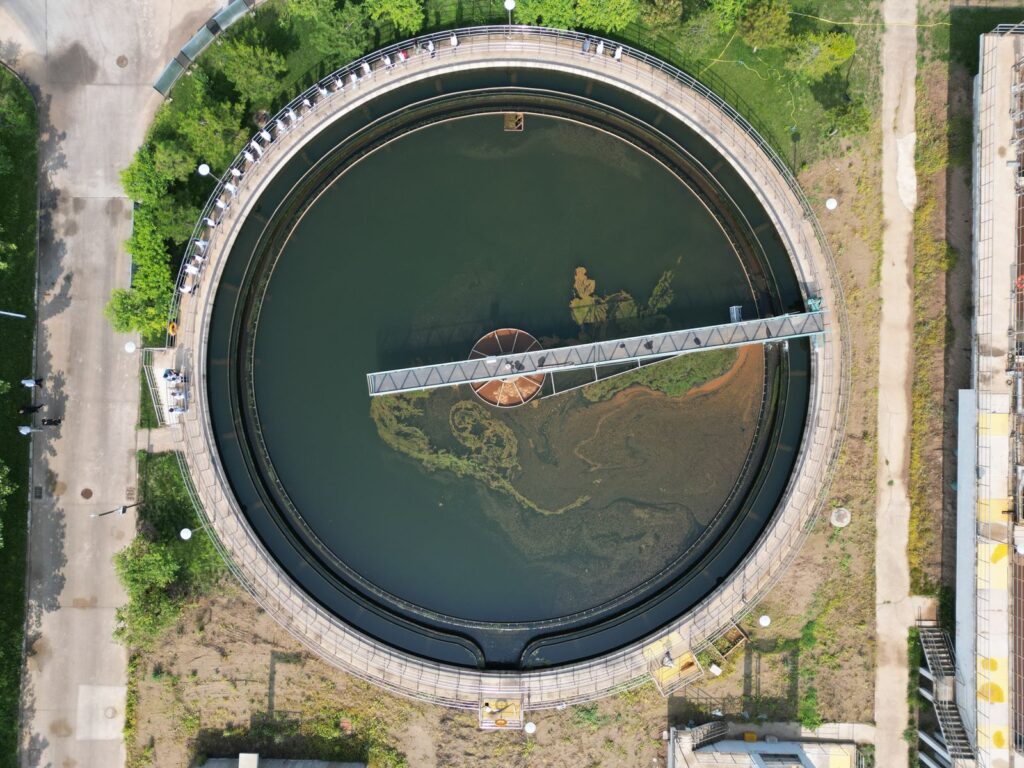
How does a city-state with almost no natural freshwater now supply up to 40 percent of its national water demand from treated used water pushed through advanced membranes?
Singapore's Public Utilities Board says reclaimed sewage now meets up to 40 per cent of national water demand, with a target of 55 per cent by 2060 — here's how the membranes, the politics and a 1962 treaty with an expiry date got them there.
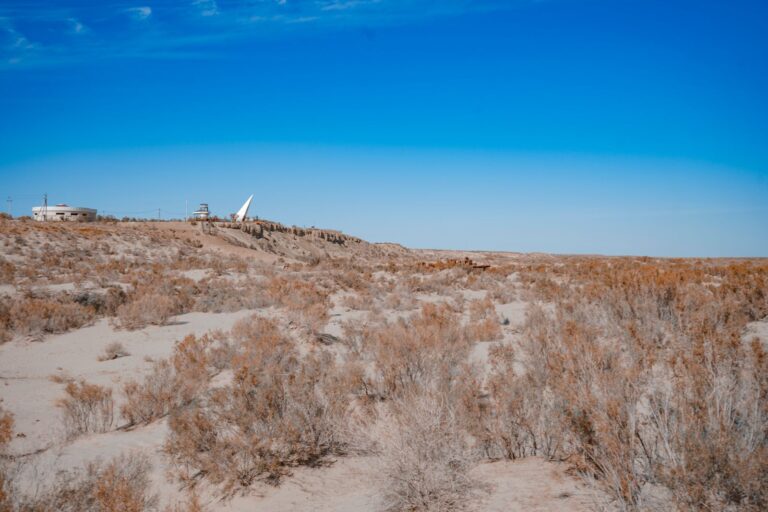
In 1974, Indian scientists detonated a plutonium device in the Rajasthan desert under the code name Smiling Buddha, using material bred in a Canadian-supplied research reactor called CIRUS that had been sold on the written condition it be used only for peaceful purposes
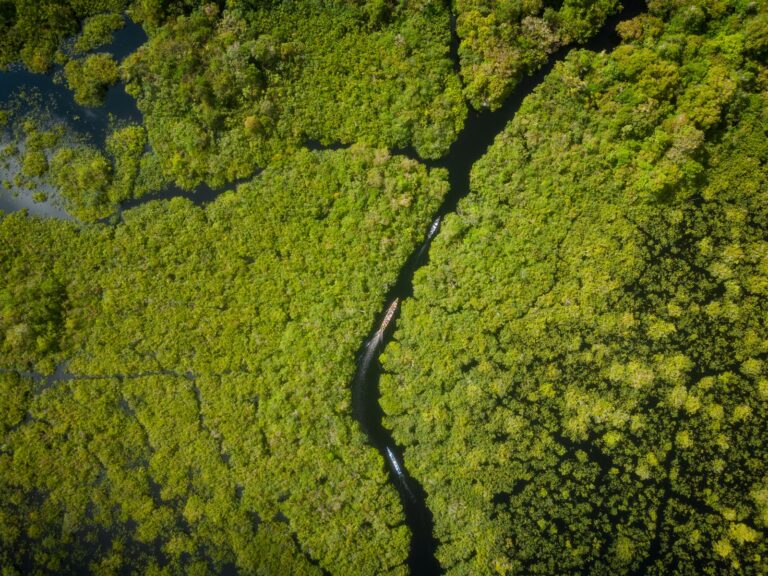
How did an island of fewer than 2,000 people place 317,500 square kilometres of ocean under management and ask sponsors to fund protection one square kilometre at a time?

In December 1938, Otto Hahn and Fritz Strassmann found barium in a uranium sample and wrote a bewildered letter to Lise Meitner, who worked out the physics on a snowy walk in Sweden and gave the process a name borrowed from biology: fission
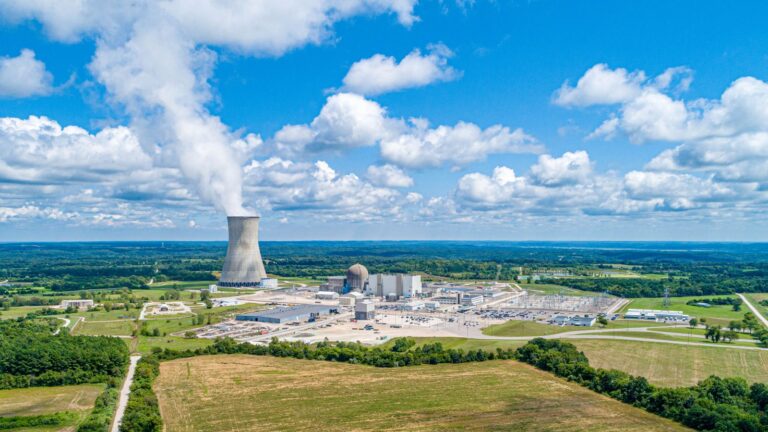
A CANDU reactor runs on unenriched natural uranium because it uses heavy water as its moderator, a form of water in which each hydrogen carries an extra neutron, making the molecule about 10 percent denser and letting Canada skip the entire enrichment industry the rest of the nuclear world was built around
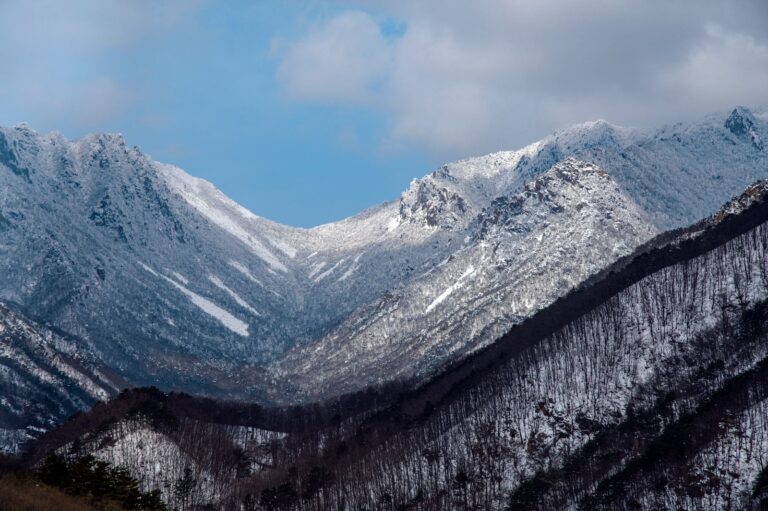
How did a honeycomb coal briquette help a war-damaged country regrow mountains stripped for firewood decades before nuclear power transformed its grid?
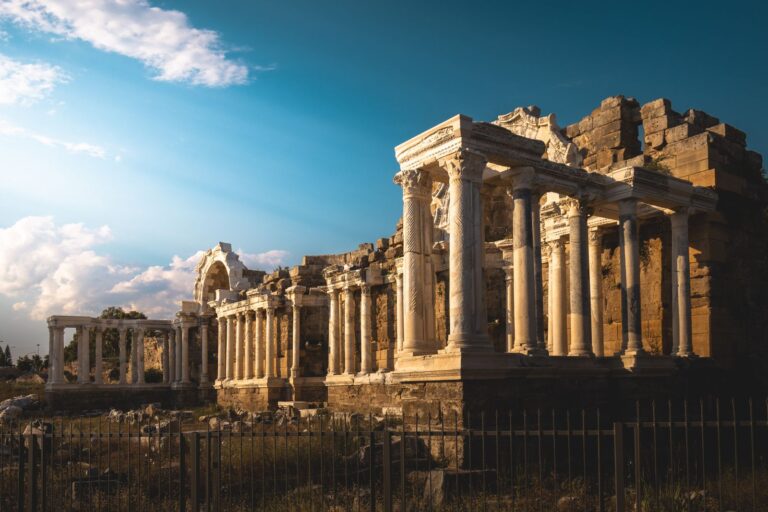
How does a two-thousand-year-old harbour concrete, poured by engineers of a Mediterranean empire, keep growing stronger in seawater while modern Portland cement crumbles in the same conditions within decades?
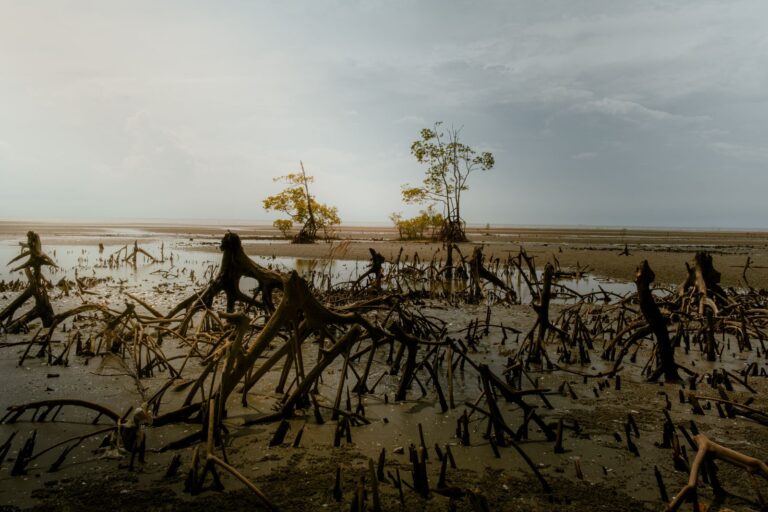
How does one hectare of salt-soaked coastal forest store three to five times as much carbon as a tropical forest inland, and why did one delta nation begin planting it 25 years before a cyclone killed about 138,000 people?
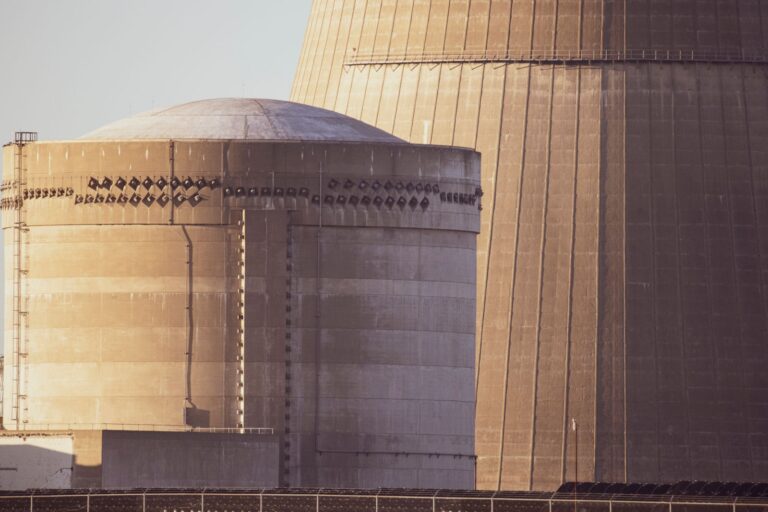
In 1977, engineers at the Shippingport reactor in Pennsylvania started up a thorium-fuelled core that produced slightly more fissile uranium-233 than it consumed over five years of operation, quietly proving that a light-water reactor could breed its own fuel without a single sodium-cooled fast reactor in sight
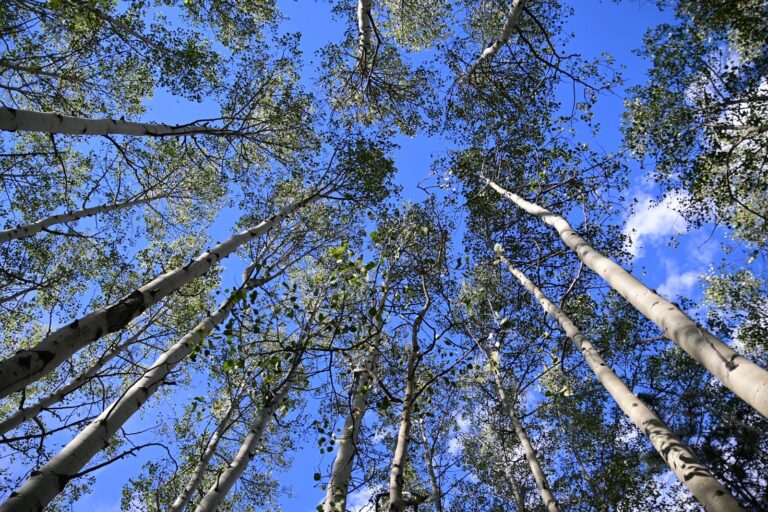
How does a single tree in the mountains of Utah cover roughly 106 acres, weigh about 6,000 tonnes, and share one root system across tens of thousands of trunks that look like separate individuals?
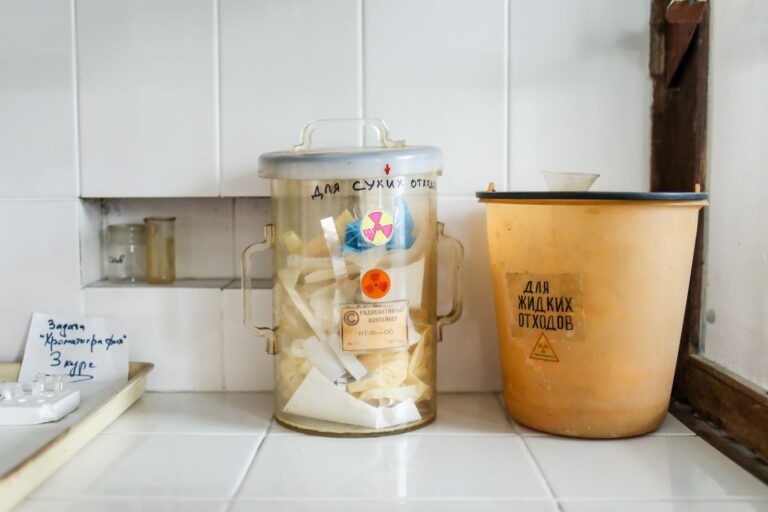
In 1961, a routine restart at the SL-1 reactor in Idaho ended when an operator withdrew the central control rod about 20 inches by hand, triggering a steam explosion that lifted the entire 26,000-pound vessel off the floor in about four milliseconds and killed all three men on duty