Tardigrades have earned their reputation by surviving conditions that would kill most animals, but that reputation needs one important qualification. A NASA summary notes that some tardigrades can withstand temperatures near absolute zero, while the European Space Agency’s TARDIS experiment demonstrated survival after exposure to the vacuum of space. Much of that extreme resistance belongs to their dehydrated, dormant state rather than to active animals.
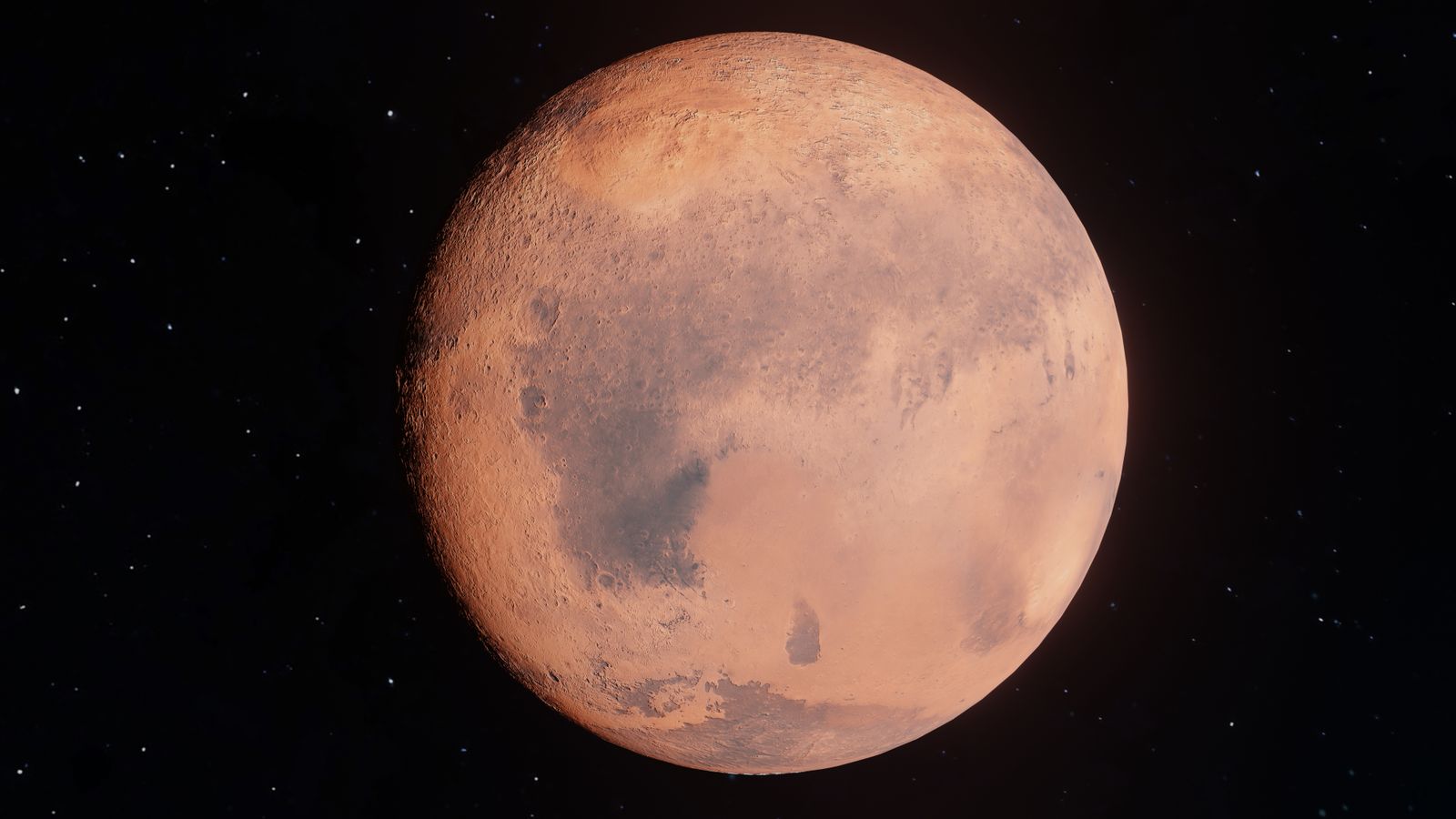
That distinction is central to a Penn State-led experiment involving simulated Martian regolith. The researchers tested active tardigrades and found that one simulant, MGS-1, was lethal to the freshwater species Hypsibius exemplaris within two days. A second simulant was less damaging, and several terrestrial tardigrade populations proved more tolerant.
The animal that is difficult, but not impossible, to kill
Tardigrades are microscopic eight-legged animals found in aquatic habitats, mosses, lichens, soil and sediment. When threatened by dehydration, many species can contract into a dormant form called a tun and enter cryptobiosis, during which metabolic activity falls dramatically. This state helps some tardigrades endure desiccation, freezing, radiation and other extreme conditions.
The Martian-regolith experiment did not test dormant tuns. It examined active animals that had been supplied with water and algae, which meant they were more vulnerable than the dried specimens responsible for the tardigrade’s almost indestructible reputation. The experiment therefore compared active survival across different mineral environments rather than testing whether Martian material could defeat cryptobiosis.
What the experiment actually tested
The study published in the International Journal of Astrobiology was conducted by Corien Bakermans, Matteo Vecchi and Gillian Pearce. It tested two taxa: the freshwater laboratory species Hypsibius exemplaris and three populations of Ramazzottius collected from sediments in ephemeral freshwater rock pools.
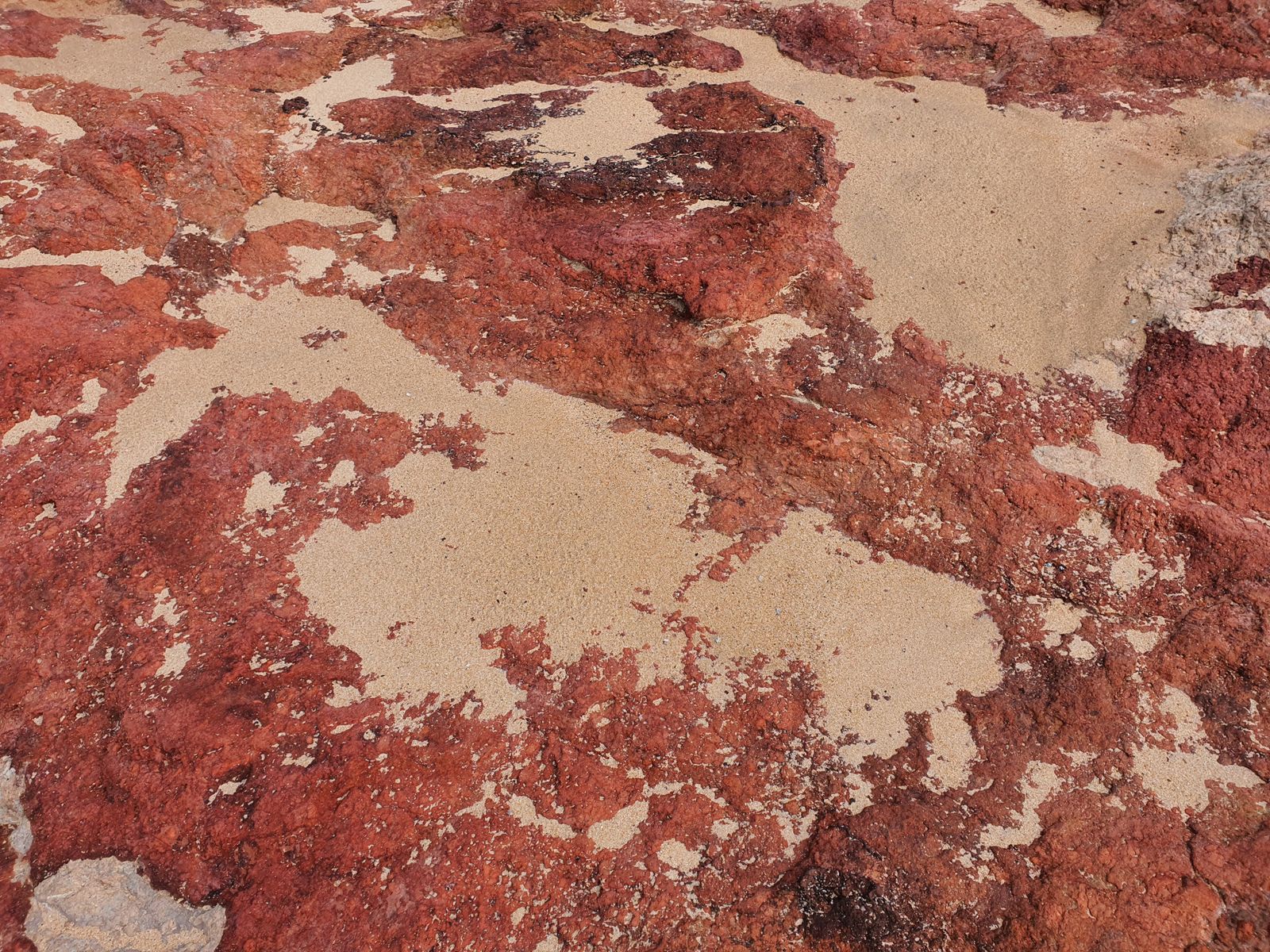
The researchers used two Martian regolith simulants called MGS-1 and OUCM-1. Both were developed to reproduce aspects of the Rocknest deposit sampled by NASA’s Curiosity rover at Gale Crater, although their mineral and chemical compositions differ. Washed and sterilised siliceous sand from Massachusetts served as the terrestrial control.
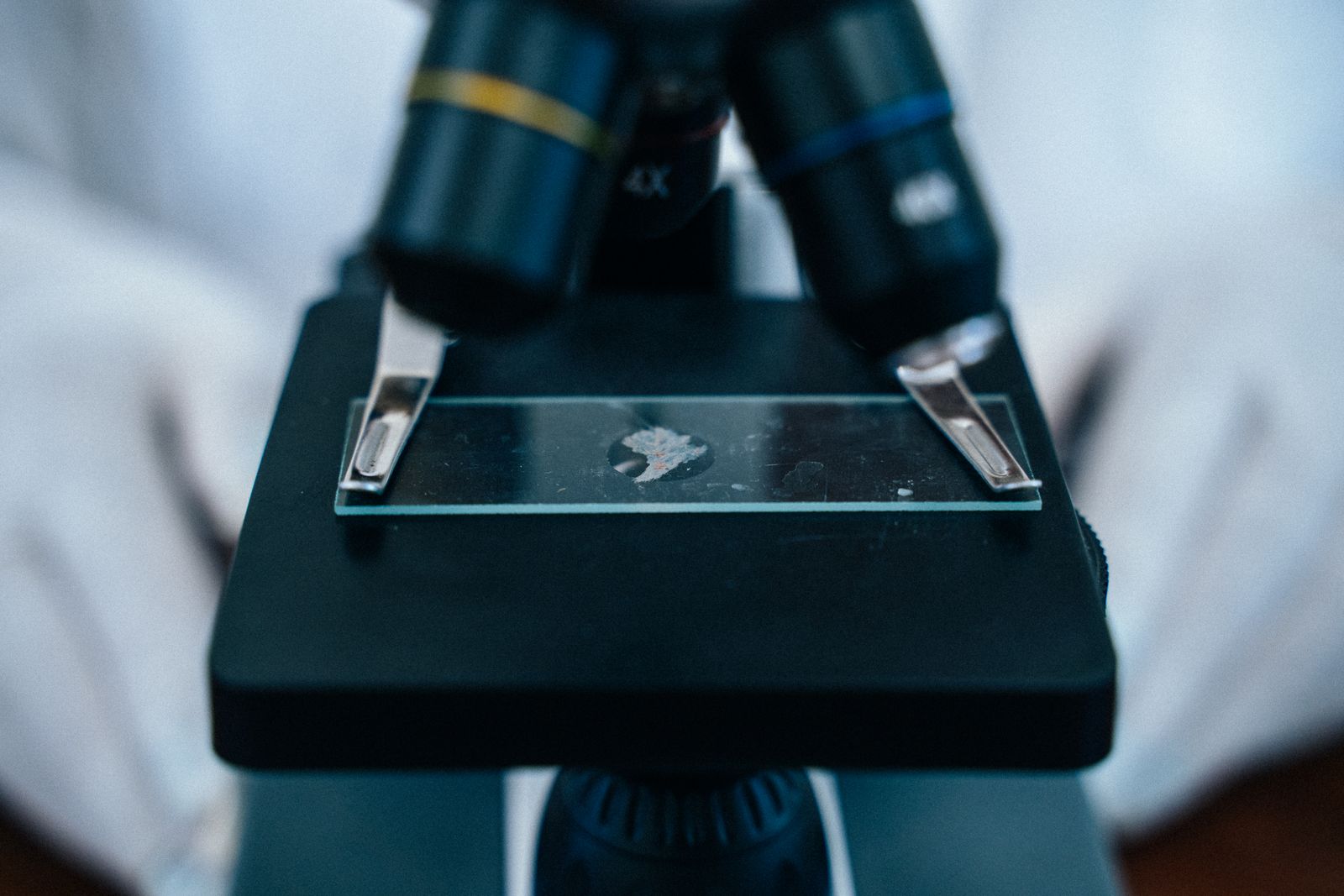
For each exposure, the team mixed 0.25 grams of dry simulant with 0.25 millilitres of aqueous tardigrade inoculum. The resulting test environment was therefore moist, not a completely dry bed of dust. At scheduled intervals, the researchers separated the animals from the sediment and counted visible movement under a microscope.
Moving animals were classified as active and alive. Animals that did not move during the observation period were recorded as inactive and presumed dead, with some also showing visible disruption or degradation. Activity was used as the study’s practical measure of short-term survival.
MGS-1 produced the starkest result
The number of active tardigrades declined in both Martian simulants, while control numbers remained stable. MGS-1 caused the strongest inhibition, and after two days no live H. exemplaris were found in that treatment. The freshwater control animals remained active in terrestrial sand.
The outcome was not universal across every tardigrade population. OUCM-1 was less harmful than MGS-1, and one Ramazzottius population was only minimally affected by it. At least one active animal from every tested Ramazzottius population was still found after eight days of MGS-1 exposure.
That species difference is important. The experiment did not establish that Martian regolith simulants inevitably kill all tardigrades, much less every form of terrestrial life. It showed that survival depended on the animal population, the simulant and the length of exposure.
Washing the simulant changed the result
The researchers washed MGS-1 four times with distilled water and then allowed it to dry before introducing fresh tardigrades. Animals placed in the washed material remained vigorous, and the statistical model did not distinguish the washed MGS-1 treatment from the terrestrial control. Washing also reduced the simulant extract’s measured total dissolved solids from approximately 5,319 to 538 milligrams per litre.
This result suggests that at least part of the harmful effect came from a water-soluble component. It does not mean that washing revived the same animals that had already stopped moving. Fresh tardigrades were used for the washed-regolith treatment.
The harmful substance remains unidentified
The paper did not identify perchlorates or any other single compound as the cause. The researchers concluded that the simulants’ specific chemistry was probably important, but they also said particles and mineral shards could have contributed. Neither pH nor overall solute concentration alone adequately explained the pattern.
Perchlorates are present in Martian regolith and are relevant to future agriculture, but this experiment did not isolate them as the lethal agent. The most defensible conclusion is narrower: something removed or substantially reduced by repeated water washing made MGS-1 much more harmful to active tardigrades.
Why the two simulants matter
MGS-1 and OUCM-1 are laboratory materials, not samples returned from Mars. They model the Rocknest deposit differently, and the sharply different survival results show how strongly conclusions can depend on the chosen analogue. Treating either simulant as a perfect representation of the entire Martian surface would go beyond the evidence.
The study also isolated the effect of regolith under laboratory conditions. It did not reproduce Martian atmospheric pressure, atmospheric composition, temperature swings, ultraviolet exposure, cosmic radiation or reduced gravity. Those factors could alter survival in ways this experiment was not designed to measure.
What the result means for planetary protection
Corien Bakermans, professor of microbiology at Penn State Altoona, co-led the international team. The researchers framed the work around two connected questions: whether regolith could become part of a functional soil system and whether hostile surface material might limit accidental contamination by organisms released from human habitats.
The results offer a possible clue rather than proof that Mars is self-sterilising. MGS-1 strongly inhibited the tested animals, but OUCM-1 was less harmful and one tardigrade population tolerated it particularly well. No conclusion about bacteria, astronaut-associated microbes or the actual Martian surface can be drawn from two tardigrade taxa alone.
For food production, the work suggests that some Mars-like mineral mixtures may require treatment before they can support a complex soil ecosystem. Tardigrades themselves are not crops, but they can function as consumers and predators in soil communities. Their response helps researchers examine whether a mineral substrate could eventually support the wider biological system needed around plants.
Why the freshwater detail matters
The complete two-day mortality result applied to H. exemplaris, a freshwater species. The terrestrial Ramazzottius populations were more tolerant, and their responses also varied from one population to another. That variation prevents the result from being treated as a universal limit for tardigrades.
The study discusses species-specific tolerance to salts and other environmental stressors, but it did not test marine or salt-adapted tardigrades. Claims about how a halophilic species might handle the simulants therefore remain hypotheses. Testing additional species would be a logical extension, but it was not reported as a completed experiment.
What comes next
The researchers say future work should identify the toxicity of individual chemical species and determine how particles affect microscopic animals. They also plan to examine additional Martian constraints, including atmospheric pressure and composition. Those experiments could help separate chemical toxicity from physical particle effects and wider environmental stress.
The finding is narrower than the idea that Mars finally defeated an indestructible animal, but it is still striking. One carefully formulated Mars simulant killed every tested freshwater H. exemplaris within two days, while washing the material almost eliminated its harmful effect. The next task is to determine exactly what the water removed.