
US Secretary of State Antony Blinken and European allies insisted it was still possible to revive the Iran nuclear deal but said "time is running out", after talks in Berlin Thursday.
Blinken told reporters that negotiators working in Vienna to salvage the 2015 accord with Tehran had seen "modest progress in the last couple weeks" but were taking nothing for granted.
"My own assessment, talking to all of our colleagues, is that returning to mutual compliance, it remains possible," Blinken said.
Speaking at a joint news conference, German Foreign Minister Annalena Baerbock said "urgent progress" was needed in talks aimed at rescuing the deal.
"The window for finding a solution is closing," she said.
"The negotiations are in a decisive phase. We need urgent, urgent progress, otherwise we will not be successful in reaching a joint accord."
Her French counterpart Jean-Yves Le Drian, also in Berlin for talks focused primarily on the Ukraine crisis, warned that "the negotiations cannot go on so slowly" with Tehran.
He complained that the progress in the meetings was "partial, timid and slow", adding it was crucial to now "pick up the pace" or risk failure.
Blinken agreed it was a "decisive moment" in the negotiations, adding "time is running out" to reach a deal.
– 'Spiral of nuclear escalation' –
Their comments came a day after US President Joe Biden said it was "not time to give up" on the talks with Iran, insisting "there is some progress being made".
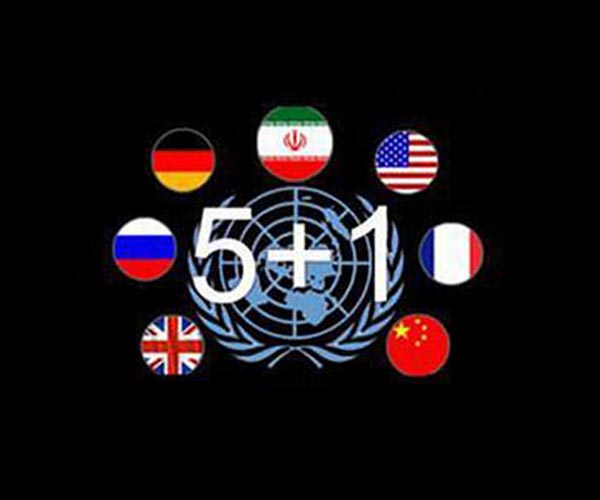
Negotiations to restore the landmark accord between Tehran and world powers — the United States, France, Britain, Russia, China and Germany — began last year but stopped in June as Iran elected ultraconservative President Ebrahim Raisi.
The talks on the accord known as the JCPOA resumed in November.
Blinken last week said there were only "a few weeks left" to save the deal and that the US was ready to look at "other options" if the talks collapse.
The deal offered Iran much-needed relief from sanctions that have crippled its economy, in return for curbs on its nuclear programme.
Former US president Donald Trump's unilateral withdrawal from the deal in 2018 prompted Tehran to go back on its commitments.
Tehran is seeking verification of the sanctions easing, as well as guarantees that Washington will not withdraw from the deal again.
Baerbock said progress was being hobbled by the fact that "Iran, parallel to the talks, unfortunately continues to turn the spiral of nuclear escalation".
Western powers have complained about slow progress in the talks at a time when Iran has accelerated its nuclear work, for example increasing uranium enrichment.
The West wants Iran to meet a number of requirements including destroying its advanced centrifuges.
The meeting in Berlin came a month after a new German centre-left-led government took power to replace Chancellor Angela Merkel, who led Europe's biggest economy for 16 years.
Iran deal still possible after 'modest progress': Blinken
Berlin (AFP) Jan 20, 2022 –
US Secretary of State Antony Blinken said Thursday that he believed reviving the Iran nuclear deal was still possible after "modest progress" in talks, after meeting with European allies in Berlin.
"My own assessment, talking to all of our colleagues, is that returning to mutual compliance, it remains possible," Blinken told reporters.
"We've seen, I would say, some modest progress in the last couple of weeks in the talks" in Vienna, he added.
Speaking at a joint news conference, German Foreign Minister Annalena Baerbock said that "urgent progress" was needed in talks aimed at reviving the 2015 nuclear deal.
"The window for finding a solution is closing," she said.
"The negotiations are in a decisive phase. We need urgent, urgent progress, otherwise we will not be successful in reaching a joint accord."
Blinken agreed it was a "decisive moment" in the negotiations, adding "time is running out" to reach a deal.
Their comments came a day after US President Joe Biden said it was "not time to give up" on the talks with Iran, insisting "there is some progress being made".
Talks to restore the accord between Tehran and world powers — the United States, France, Britain, Russia, China, and Germany — began last year but stopped in June as Iran elected ultraconservative President Ebrahim Raisi.
The talks on the accord known as the JCPOA resumed in November.
Blinken said last week that there were only "a few weeks left" to save the deal, and the US was ready to look at "other options" if the talks fail.
The deal offered Iran much-needed relief from sanctions that have crippled its economy, in return for curbs on its nuclear programme.
Then-US president Donald Trump's unilateral withdrawal from the deal in 2018 prompted Tehran to go back on its commitments.
Tehran is seeking verification of the sanctions easing, as well as guarantees that Washington will not withdraw from the deal again.
Baerbock said progress was being hobbled by the fact that "Iran, parallel to the talks, unfortunately continues to turn the spiral of nuclear escalation".
Western powers have complained about slow process in the talks at a time when Iran has accelerated its nuclear work, for example increasing uranium enrichment.
The West wants Iran to meet a number of requirements including destroying its advanced centrifuges.
