
US Secretary of State Condoleezza Rice is set to sign a deal in Warsaw Wednesday on deploying a controversial American missile shield in Poland, Polish Foreign Minister Radoslaw Sikorski announced.
Sikorski confirmed the timing in an interview published Monday in the daily newspaper Dziennik.
"The programme is being finalised, but it's likely that the (Polish) prime minister (Donald Tusk) and the secretary of state will make a political declaration, and the ministers will sign the technical deal on the base," Sikorski added.
Polish government officials were not immediately available for comment.
On Sunday, Rice had told the US network Fox News that she was "going to Poland to sign a missile defence agreement in the next couple of days".
Moscow is deeply opposed to the missile plan, and the deal signing comes amid a spike in tensions between Washington and its allies over Russia's conflict with pro-Western Georgia.
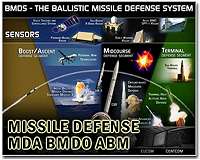
Washington plans to base 10 interceptor missiles in Poland plus a radar facility in the neighbouring Czech Republic by 2011-2013 to complete a system already in place in the United States, Greenland and Britain.
US and Polish negotiators inked a preliminary deal in Warsaw last Thursday, capping 15 months of grinding negotiations. Washington and Prague had already sealed the radar deal in July.
Washington insists the shield — endorsed by all 26 NATO member states earlier this year — is to fend off potential missile attacks by what it calls "rogue states", a phrase regarded as including Iran.
The plan, however, has become a major source of tension with Moscow, which considers it a security threat designed to undermine Russia's nuclear deterrent. Moscow has warned of retaliation against the Poles and Czechs.
Warsaw and Prague have had rocky relations with Moscow since they broke free from the crumbling communist bloc in 1989, and ties have worsened since they joined NATO in 1999 and the European Union in 2004.
earlier related report
Most Poles back US missile shield deal, survey shows
A majority of Poles back moves to deploy a US anti-missile shield in their country, despite Moscow's protest, according to a new survey published Monday showing earlier opposition to the plan had slumped.
The poll was carried out by the GFK institute for the conservative newspapers Rzeczpospolita found that 58 percent of respondents supported the missile deal signed last week by Warsaw and Washington.
Thirty-seven percent said they opposed the plan, which has sparked threats from Poland's neighbour and communist-era master Russia.
GFK polled 500 people, meaning the margin of error of the survey was four to five percent — not enough to dent the majority in favour.
A year ago, a similar survey had found that 56 percent of Poles opposed the missile plan and 28 percent supported it.
The latest survey also found that 45 percent thought the deal would boost Poland's security, while 30 percent said the opposite and 21 percent felt it would have no impact.
Seventy-seven percent said they were certain it would harm Poland's relations with Russia — which have been rocky ever since Warsaw broke free from the crumbling communist bloc in 1989, and worse since Poland joined NATO in 1999 and the European Union in 2004.
Washington plans to base 10 interceptor missiles in Poland plus a radar facility in the neighbouring Czech Republic by 2011-2013 to complete a system already in place in the United States, Greenland and Britain.
US and Polish negotiators inked a preliminary deal in Warsaw last Thursday, capping 15 months of grinding negotiations, and US Secretary of State Condoleezza Rice is due to visit Poland this week for a formal signing ceremony.
Washington and Prague had already sealed the radar deal in July.
Washington insists the shield — endorsed by all 26 NATO member states earlier this year — is to fend off potential missile attacks by what it calls "rogue states", a phrase regarded as including Iran.
The plan, however, has become a major source of tension with Moscow. It considers it a security threat designed to undermine Russia's nuclear deterrent, and has warned of retaliation against the Poles and Czechs.
The missile plan also foresees the deployment of several hundred US troops in Poland to service the shield facility. GFK found that 55 percent of Poles were in favour and 41 percent against.
