
A 128-nation treaty to curb exposure to the dangerous heavy metal mercury entered into force Wednesday, the United Nations announced on the convention's website.
Adopted in 2013, the Minamata Convention on Mercury was named for the Japanese fishing town in which thousands were poisoned by the deadly element in the mid-20th century.
The toll was caused by discharge from a chemical factory: Japan officially recognised more than 1,700 deaths and nearly 3,000 cases of poisoning, though tens of thousands were subsequently compensated.
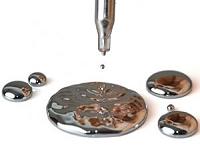
The shiny metal liquid, once commonly found in medical thermometers, attacks the nervous system and can result in severe, life-long disability. Children are especially vulnerable.
"Millions of children and adults around the world are exposed to mercury on a daily basis," said Juliane Kippenberg of Human Rights Watch.
"The Minamata Convention strengthens governments' obligations to protect people's rights to health and to a health environment from this toxic substance."
The watchdog group has documented exposure to mercury by children and adults working in small-scale gold mines in Ghana, Mali, Nigeria, Tanzania, the Philippines and Papua New Guinea.
Ratified by 74 parties, the treaty obliges member nations to promote mercury-free gold processing methods, to protect especially vulnerable populations, and to end especially harmful practices, such as the burning of the mercury-gold amalgam in residential areas.
Member countries also commit to improving health care services for those exposed to the metal, and regulating its use in industry.
Important gold-mining countries that have ratified the treaty include Ghana, Canada, the United States, Brazil and Peru.
The trigger for entry-into-force was the May 18 ratification by the European Union and seven EU member countries.
The first convention of the Parties will take place in Geneva from September 24 to 29.
Planet marks new highs for heat, pollutants, sea level in 2016: report
The Earth set a series of dire records in 2016, including hottest year in modern times, highest sea level and most heat-trapping gases ever emitted, a global climate report said Thursday.
A range of key climate and weather indicators show the planet is growing increasingly warm, a trend that shows no signs of slowing down, said the annual State of the Climate Report.
"Last year's record … read more
