
Even if BP manages to quickly cap the oil spill at the bottom of the Gulf of Mexico, the environmental impact from the massive slick will be "significant," Environmental Protection Agency director Bob Perciasepe said Friday.
"There already is going to be a significant environmental impact here, even if it stops leaking now," Perciasepe told AFP in an interview.
"Everything we are doing is to try to continue to minimize the amount of environmental damages. But regardless, there will be environmental damages whatever we do," he stressed.
British Petroleum on Friday was lowering a heavy, metal dome-like structure to the sea bottom, hoping to plug and funnel to surface barges the 200,000-gallons-a-day leak from the sunken Deepwater Horizon rig that exploded on April 20, killing 11 workers.
The broken well has so far spewed out more than three million barrels of crude that is encroaching on prized wetlands and wildlife preserves on the southern US coast, as well as on billion-dollar fishing and tourism destinations.
Perciasepe said the BP dome, if successful, "will collect a significant amount of the oil that is leaking out but not probably all of it," adding that other solutions were needed to eliminate the oil slick.
"It's fair to say… weather will have some effect, we can skim some, we can burn some and disperse some but there's undoubtedly going to be some (oil) on the shores and it's going to require a very significant cleanup operation for quite a while," he said.
"BP will pay for all the costs," the EPA chief added.
Perciasepe said the oil slick was already lapping several of the Chandeleur Islands, some 60 miles (100 kilometers) off Louisiana, forcing US officials Friday to close a wildlife refuge there to facilitate cleanup efforts.
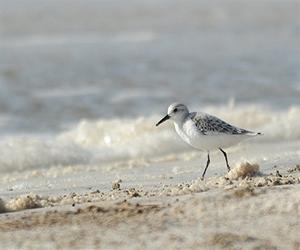
The EPA chief said the closure of the Breton National Wildlife Refuge was also needed to minimize disturbance to nesting seabirds "that are currently in their breeding season."
The refuge, home to endangered species of brown pelican, least tern and piping plover, is one of the oldest in the country, and spreads across almost 7,000 acres (2,800 hectares).
"It would be also pretty problematic if the oil gets to the sensitive habitat where shrimps and oysters" are gathered.
"But in most places the oil seems to be outside of the boom" laid down in the water to block its advance, Perciasepe said.
"We all know that the wetlands are the most sensitive area, obviously the beaches are very sensitive for some species and also for recreation for humans," he added.
Share This Article With Planet Earth
