
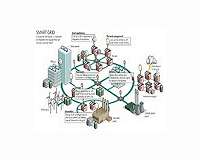
Smart-grid networks that depend heavily on technology both for energy efficiency and for better management of electricity consumers are vulnerable to cyberattacks that can endanger entire cities, industry findings show.
Ann Whyte, a spokeswoman for Defense Support Services LLC (DS2), a Lockheed Martin and Day & Zimmermann company, said suppliers that are planning to install electricity smart meters in every home by 2020 need to adopt new power-line communications technology to ensure the grids remain safe from cyberattacks.
The United States marked October as a month of cybersecurity awareness, but analysts said the rest of the world still needs to catch up on the full implications of new security risks posed by technologies that are open to attack by hostile forces.
Whyte said new technology currently being developed aims to ensure that smart grids' two-way communication remains safe from hacking.
As the smart grids expand, analysts said, their vulnerability to cyber terrorism is seen to be increasing. One of the key elements of the future smart-grid networks will be increased communication between smart meters and other energy-using devices.
The two-way flow of electricity and real-time energy pricing information will document and make available details of energy used by each device and other advanced applications, allowing consumers to save energy and reduce their carbon footprints.
This will enable utilities to combat fraud, introduce effective real-time management of the grid and slow down their investment in new energy generation capabilities, a DS2 study said.
However, any vulnerability in the smart grid could have an impact on that utility's energy distribution grid, which could result in power cuts, and could be used by hackers and fraudsters to gain access to consumers' private personal information.
So, alongside high-speed communications and robust features, what the smart grid also requires is cybersecurity — the protection required to ensure the confidentiality, integrity and availability of the electronic information communication system.
"What does the expansion of the smart grid mean in terms of security? Stringent management and protection of components within these infrastructures must be addressed," DS2 said.
It said that expansion of the networks increases the complexity of the grid, which could expose it to potential attackers and unintentional errors. It also increases the number of entry points that can be exploited.
Among other risks cited by DS2 is the potential for compromise of data confidentiality, including the breach of customer privacy.
DS2 said it is developing power-line communications for smart-grid applications and is tackling this security threat by developing state-of-the-art security standards. Its next-generation smart-grid technology has been specifically designed to prevent attacks on the smart-grid integrity.
Analysts said the DS2 warnings meant that exposure to cyberattacks was no longer confined to computer networks. Instead, almost any nationwide network that uses computers can be exposed to hostile action.
Share This Article With Planet Earth
