
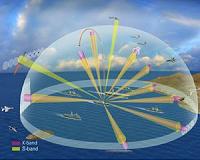
Raytheon has received a contract modification for $327.1 million for the low-rate production of the Air and Missile Defense Radar system.
The contract will cover the procurement of three initial systems, including the equipment and engineering systems needed to produce, the Department of Defense announced Monday. The systems will be completed at a plant in Marlborough, Mass., and are expected to be completed in October 2020.
Funding for the contract comes from U.S. Navy shipbuilding appropriations for Fiscal 2016 and 2017, and will not expire at the end of the fiscal year.
The Air and Missile Defense Radar, also known as the AMDR or AN/SPY-6(V), is an advanced search radar to be mounted on Flight III Arleigh Burke-class guided missile destroyers.
It is a modular system designed to be scaled up according to mission requirements. The radar system is 30 times more sensitive than the search radars on the Flight II Arleigh Burkes, according to Raytheon.
The Arleigh Burke-class destroyer is one of the primary surface combatants of the U.S. fleet. The Air and Missile Defense Radar is part of its AEGIS system, one of the most advanced naval air-defense systems in the world.
The Arleigh Burke has a vertical launch system that can carry Standard-class surface-to-air missiles, Tomahawk cruise missiles and other weapons. It's Standard Block III models are capable of intercepting ballistic missiles.
MIT wireless device can see through walls to detect walking speed
We've long known that breathing, blood pressure, body temperature and pulse provide an important window into the complexities of human health. But a growing body of research suggests that another vital sign – how fast you walk – could be a better predictor of health issues like cognitive decline, falls, and even certain cardiac or pulmonary diseases.
Unfortunately, it's hard to accurately … read more
