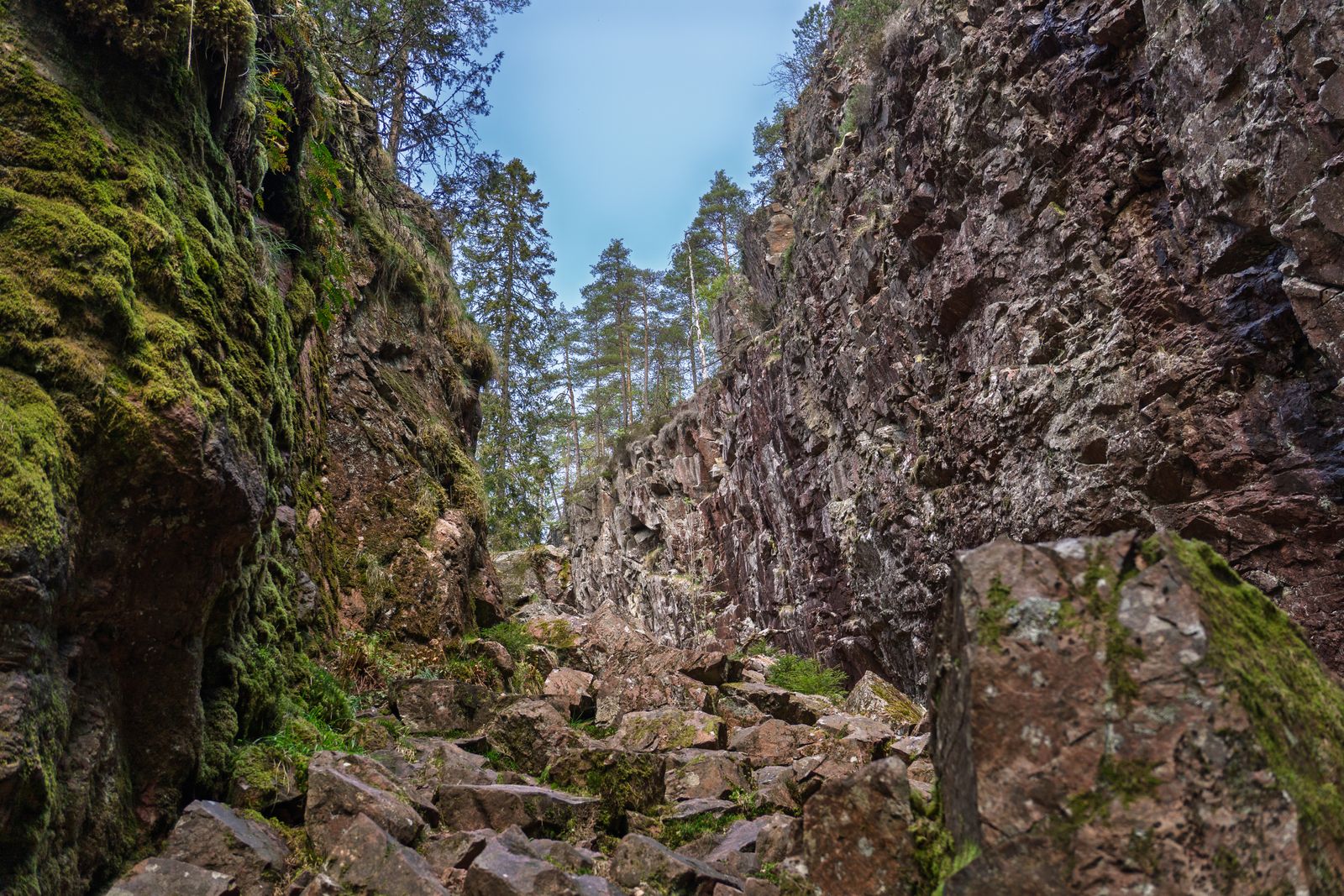
In September 1994, New South Wales National Parks officer David Noble was exploring a remote sandstone gorge in Wollemi National Park, about 150 kilometres northwest of Sydney, when he noticed a group of unfamiliar conifers. Their dark bark rose in rounded, knobbly patches. Their flat leaves spread along the stems in two neat rows, giving the branches the appearance of fern fronds.
Noble collected a small piece of foliage and showed it to botanists. The specimen did not fit any living Australian genus they recognised. As the Botanic Gardens of Sydney recounts, the find eventually became one of the most celebrated botanical discoveries of the twentieth century.
The tree was formally named Wollemia nobilis, connecting it both to Wollemi National Park and to Noble. It was the only living species assigned to an entirely new genus.
A gorge that concealed an entire genus
Wollemi National Park is cut by deep canyons, cliffs and narrow sandstone passages. The wild trees occupy a sheltered rainforest environment that is cooler and wetter than much of the eucalypt country above it. That setting probably helped the population persist through major climatic changes, although the gorge is not completely protected from drought, disease or fire.
The precise locations of the surviving stands remain restricted. The secrecy is not theatrical. Human visitors can carry soil-borne pathogens on footwear and equipment, including Phytophthora cinnamomi, which causes destructive root disease in many Australian plants.
The species is listed as critically endangered. The Australian government’s 2025 national recovery plan records only 45 mature wild individuals and 46 seedlings. Fire, disease, unauthorised access, invasive organisms and climate change are all recognised threats.
What Noble actually saw
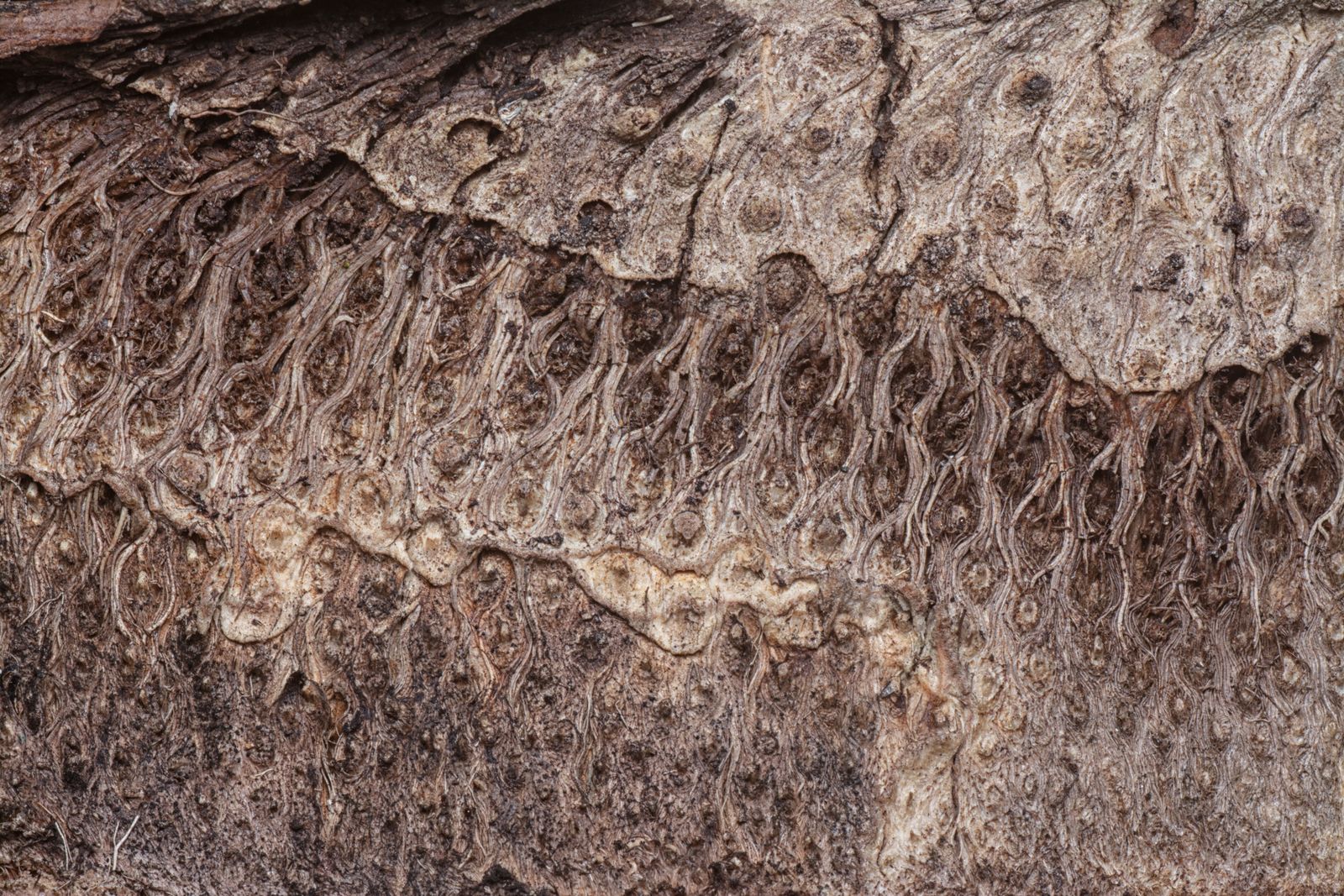
The Wollemi pine’s bark remains its most immediately recognisable feature. It is dark brown and covered with rounded nodules, producing the “bubbly” appearance often compared with melted chocolate or breakfast cereal fused into a crust.
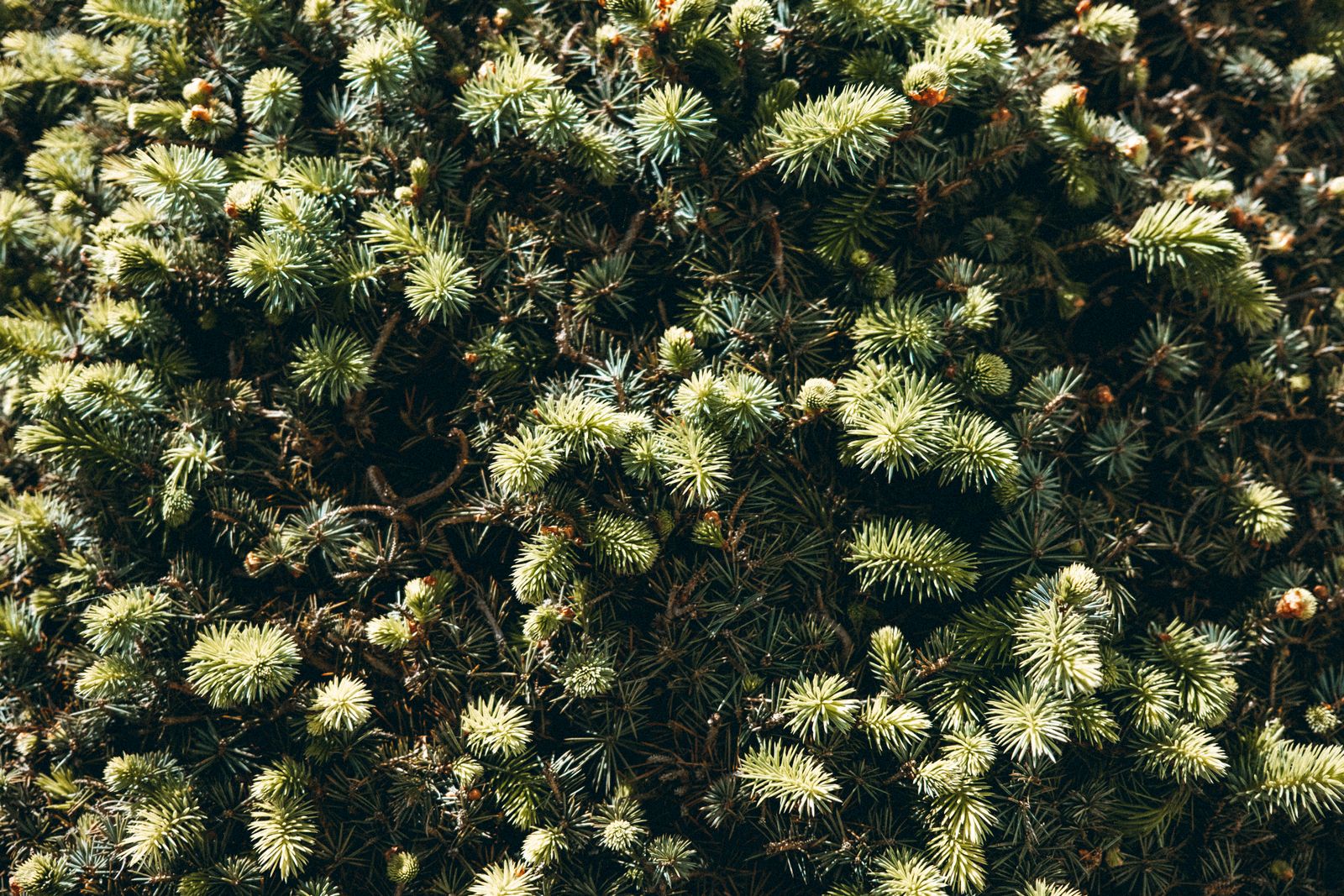
The leaves are dark green above and paler beneath. On mature shoots they sit in two opposing rows, creating flattened sprays. Wild trees can reach approximately 40 metres, and older specimens may develop several trunks through coppicing, the ability to send up new stems from the same root system.
Despite its common name, the Wollemi is not a member of the true pine genus Pinus. It belongs to the Araucariaceae, the southern conifer family that also includes kauris, monkey puzzle trees and Norfolk Island pines. The Royal Botanic Gardens, Kew describes its closest living relationships within that ancient family.
What the fossils really show
The discovery was extraordinary because botanists had already encountered Wollemi-like features in the fossil record. Fossilised foliage, cone structures, seeds and pollen from the Cretaceous and later periods resemble parts of the living tree. Its pollen is also difficult to distinguish from the fossil pollen type known as Dilwynites, whose record extends deep into the past.
That does not mean the individual trees Noble found are 90 million years old, nor does it prove that the modern species has passed through all that time without evolving. Fossils preserve only certain structures, and superficial resemblance cannot reveal every genetic, physiological or ecological change that occurred along the way.
The Wollemi is therefore better understood as the surviving representative of an ancient lineage rather than as a literal Cretaceous tree frozen in time. The popular phrase “living fossil” captures the shock of recognition, but it can obscure the fact that living organisms continue to change even when parts of their anatomy remain conservative.
The genetic problem
Early genetic studies found so little variation among wild Wollemi pines that the population initially appeared almost clonal. Later work uncovered a small but important complication. Researchers detected three chloroplast types, or maternal genetic lineages, including one common form and two rare ones.
The Botanic Gardens of Sydney says the findings still confirm very low overall variation. That leaves the species with a narrow genetic base and may reduce its ability to respond to new diseases or rapid environmental change. It does not, however, prove that every tree would react identically to every threat.
Coppicing also complicates any attempt to count age or individuality. Several trunks can belong to one underlying genetic organism, and new stems can replace older ones. Some wild root systems may therefore be considerably older than the trunks visible above ground.
Firefighters and the 2019–20 blaze
During the catastrophic 2019–20 fire season, flames entered the remote canyon system containing the wild population. A specialist operation used irrigation equipment, aerial water drops, retardant and firefighters inserted into the area to protect the most important stands.
The intervention prevented the loss of the population, but the outcome was not as simple as every tree emerging untouched. Most adult trees retained living upper canopies, while a number of smaller trees were scorched or top-killed. The bank of seedlings and young juveniles was hit particularly hard.
Fire is a natural force in many Australian landscapes, but a critically small population has little room for repeated severe events. The New South Wales conservation programme continues to monitor post-fire recovery, control disease risks and establish carefully managed populations away from the original gorge.
A tree moved around the world
Conservationists recognised early that protecting one secret canyon would not be enough. Plants were propagated from cuttings and released for public sale in 2005, placing Wollemi pines in botanic gardens, research collections, parks and private gardens around the world.
This distribution serves several purposes. It gives the public a connection to a species that cannot safely be visited in the wild, provides horticultural knowledge about how the tree responds to different climates and reduces the risk that one local catastrophe will erase the lineage completely.
Commercially propagated garden plants are not a substitute for genetically planned conservation collections. A large number of trees derived from the same limited material can still contain very little diversity. Recovery work therefore includes controlled propagation, genetic record-keeping and the establishment of additional populations chosen for conservation rather than display alone.
What remains unknown below ground
Wollemi roots can associate with mycorrhizal fungi, microscopic partners that help plants obtain nutrients from soil in exchange for sugars. Such relationships are common among forest trees and may matter greatly in Australia’s nutrient-poor soils.
What scientists cannot yet say is that the small wild stands form a single communication network that routinely distributes carbon, nutrients or warnings between every tree. The fungal communities surrounding the Wollemi population remain an area for study, not evidence that the trees are consciously “talking” beneath the gorge.
Why the lineage survived
No single feature explains how the Wollemi lineage endured while Australia separated from Antarctica, its climate became drier and countless other organisms disappeared. The sheltered canyon provided a relatively moist refuge. Coppicing allowed damaged trees to replace lost trunks. Long life spans and the ability to survive in shaded rainforest conditions probably helped as well.
Chance mattered too. The population survived repeated climatic shifts and fires, yet remained confined to a few tiny stands that could still be lost through one badly timed combination of heat, disease and ecological disturbance.
Deep time often becomes visible through improbable remnants. The Oklo natural reactors in Gabon preserved evidence of nuclear reactions that occurred nearly two billion years ago. Wollemi’s gorges preserved a botanical lineage whose relatives are recognisable in Cretaceous fossils. In both cases, the evidence endured long before anyone knew to look for it.
The saplings people can grow
Wollemi pines are now available through some nurseries and are cultivated far beyond Australia. Garden-grown specimens have shown that the species can tolerate a wider range of conditions than its tiny natural distribution initially suggested, although young plants still require suitable moisture, drainage and protection from extremes.
The contrast remains striking. Thousands of propagated trees may exist in cultivation, while the formal recovery plan counts only 45 mature individuals in the wild. Their canyon locations remain restricted, and anyone entering for authorised conservation work must follow strict hygiene controls.
The trees David Noble encountered were not themselves alive during the Cretaceous. What survived was a lineage, carried through changing continents and climates until it was reduced to a handful of plants in sandstone refuges. The remarkable part is not that one tree waited 90 million years to be found. It is that the lineage endured long enough for one ranger to look closely and realise that the forest contained something science thought it had lost.