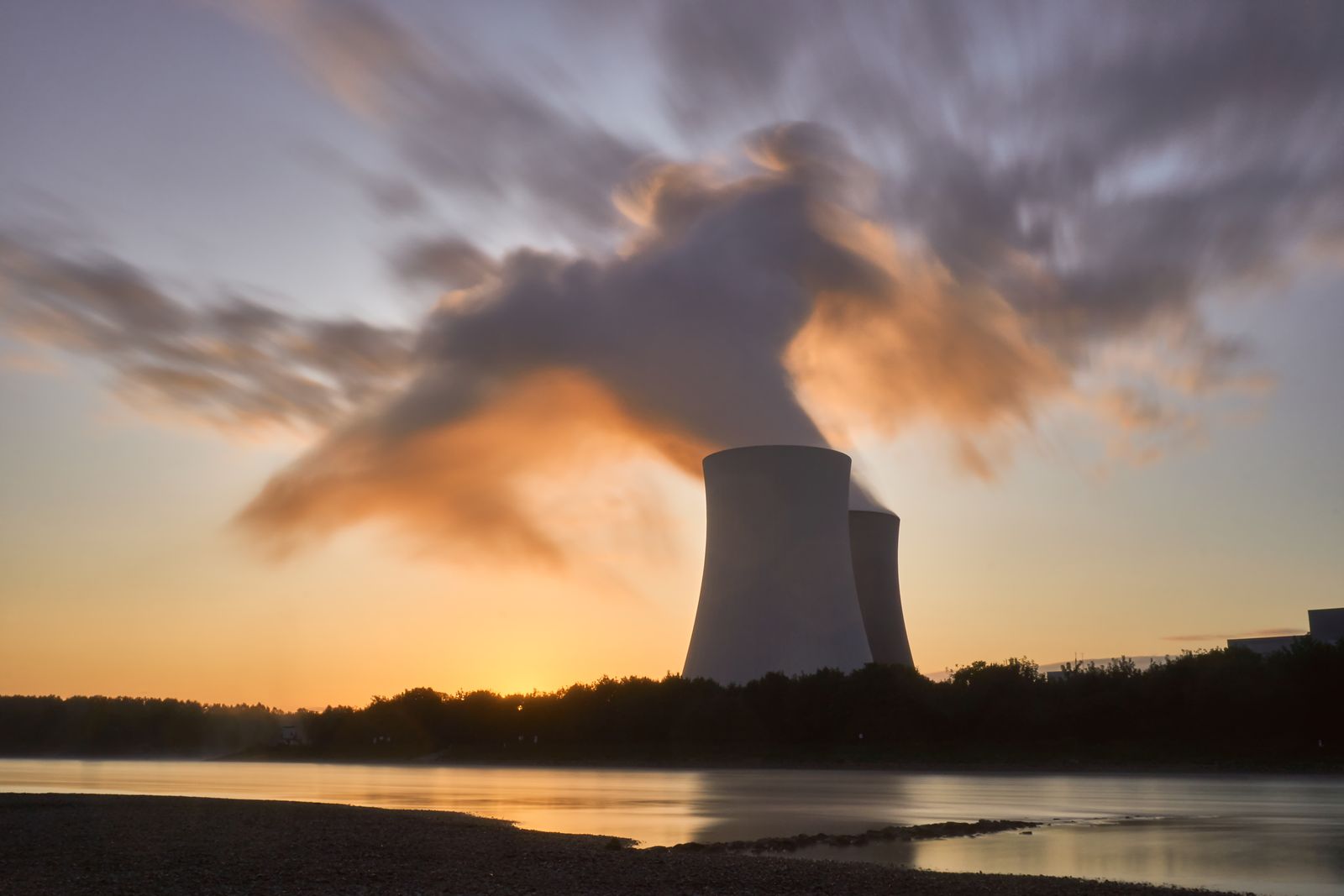
A uranium fuel pellet is a small black ceramic cylinder about a centimetre tall, weighing a few grams. Slot it into your palm and it looks like a piece of graphite pencil lead broken off short. Yet that single pellet releases roughly the same usable energy as a tonne of coal — about 149 gallons of oil or 17,000 cubic feet of natural gas, depending on how the numbers are drawn.
A typical large reactor core holds around ten million of them.
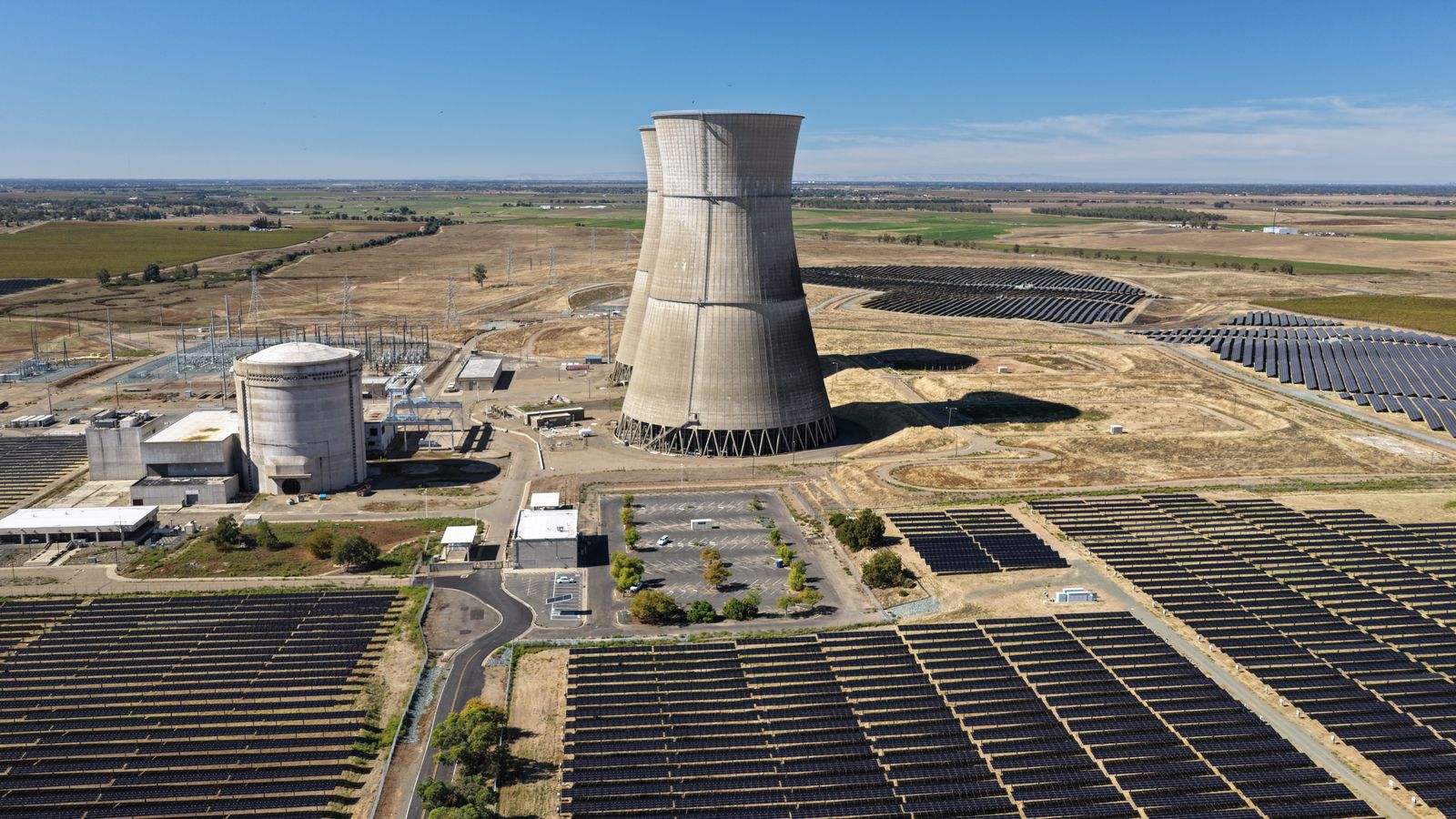
The pellet in the palm
Each pellet is sintered uranium dioxide — a ceramic, not a metal — pressed and fired at high temperatures until it takes on the density of granite and the colour of graphite. The finished cylinder is roughly the size of a fingertip. Drop one and it clinks like a small tile.
The uranium inside is not the natural stuff dug from the ground. In a light-water reactor of the type loaded earlier this year at Bangladesh’s Rooppur plant in Ishwardi, Pabna, the pellets are enriched so that the fissile isotope uranium-235 makes up a few percent of the material. The rest is uranium-238, mostly along for the ride.
That small percentage is where the energy comes from. When a neutron splits a U-235 nucleus, it releases energy orders of magnitude greater than burning a carbon atom in coal. The ratio is roughly 50 million to one, atom for atom — which is why a pellet the size of a fingertip can stand in for a tonne of coal.
Stacked into rods, bundled into assemblies
The pellets do not sit loose. They are stacked end-to-end inside long, thin tubes of zirconium alloy — a metal chosen because it is strong, resists corrosion in hot water, and is nearly transparent to neutrons. Each tube is sealed at both ends and pressurised with inert gas. A single finished rod is several metres long in a VVER-1200 reactor, and about twelve feet in the pressurised water reactors that dominate the American fleet.
The rods are then gathered into square or hexagonal bundles called fuel assemblies. At Rooppur, engineers loaded 163 assemblies into Unit 1’s reactor core over the spring of 2026, each assembly several metres long, weighing hundreds of kilograms, and containing hundreds of kilograms of uranium fuel. That works out to more than 100,000 pellets per assembly and something on the order of 17 million pellets in the full core.
A CANDU reactor does it differently. The Canadian design uses shorter fuel bundles about half a metre long, running on unenriched natural uranium. Romania’s Nuclearelectrica, which operates the Cernavoda plant and is now tendering a feasibility study to double CANDU-6 bundle production, publishes its own energy-equivalence numbers for these bundles.
How the coal comparison actually works
The tonne-of-coal figure comes from a straightforward calculation. A kilogram of low-enriched uranium fuel, burned in a modern light-water reactor, yields tens of thousands of kilowatt-hours of electricity. A kilogram of good bituminous coal, burned in a modern power station, yields a few kilowatt-hours. That is a ratio of thousands to one. A five-gram pellet holds the equivalent of a tonne of coal per pellet when accounting for the useful energy extracted.
The oil and gas equivalents track the same physics. A tonne of coal contains chemical energy roughly equivalent to the heat content of 149 gallons of crude oil, or about 17,000 cubic feet of natural gas at typical U.S. pipeline energy density. The specific numbers wobble by a few percent depending on the grade of coal and the efficiency of the plant, but the order of magnitude is stable.
Xcel Energy leans on exactly this ratio when it talks about Prairie Island. The utility’s carbon-free plan treats the plant’s two reactors as the anchor that lets the rest of its grid decarbonise, because a single refuelling outage swaps in enough uranium to replace years of coal-fired output without touching a rail car.
Ten million pellets, one core
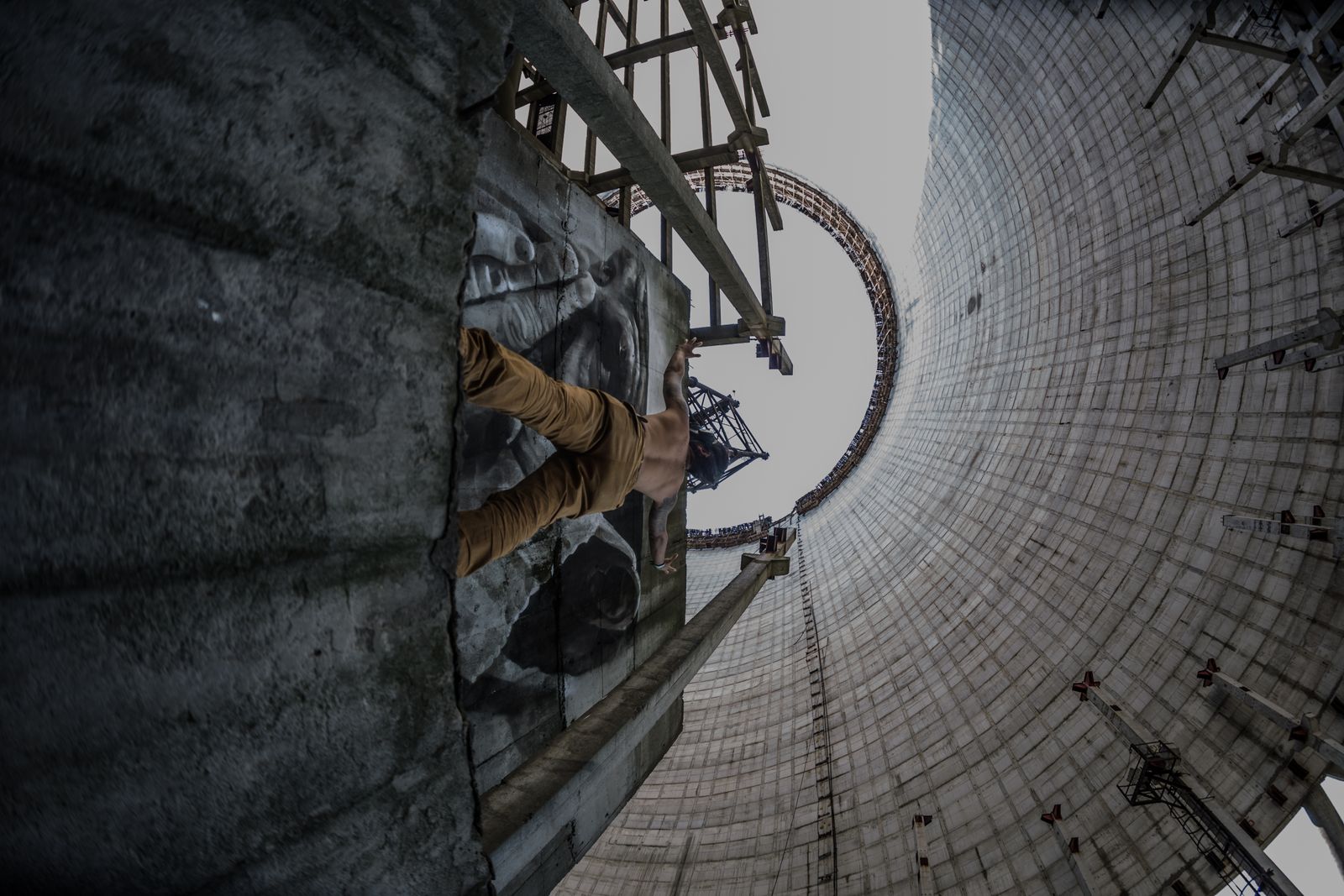
The arithmetic on a full reactor core is worth pausing over. A large pressurised water reactor holds many fuel assemblies. Each assembly holds many rods. Each rod holds hundreds of pellets. Multiply it out and the core contains something in the neighbourhood of ten million pellets — the exact number varies by design, but for a 1,000-megawatt-electric plant it is close.
Ten million pellets is roughly 100 tonnes of uranium dioxide. Burned in a coal station, matching that output would require millions of tonnes of coal a year — a train of hopper cars long enough to circle a small country. Rooppur is expected to produce substantial electricity when both 1,200-megawatt units are running, from a core that fits inside a steel vessel roughly the size of a delivery truck.
That density is why the industry keeps returning to the pellet as a rhetorical object. It is small enough to hold, dense enough to feel heavier than it looks, and boring enough in appearance to make the number underneath it land harder.
Why zirconium, and why twelve feet
The choice of tube matters almost as much as the choice of fuel. Zirconium alloys sit in a narrow band of materials that can survive years of neutron bombardment, high-temperature pressurised water, and the mechanical stress of pellets expanding as they heat up, without absorbing so many neutrons that the chain reaction stalls.
The twelve-foot length is not arbitrary either. It is roughly the height of the active core, which is set by the physics of neutron migration in a water-moderated lattice. Make the core much shorter and neutrons leak out the ends before they can trigger new fissions. Make it much taller and the top and bottom of each rod see very different neutron flux, warping the power distribution.
Newer designs are trying to push the envelope. Advanced fuel technologies use improved cladding materials and fuel formulations that resist oxidation for longer and let operators run the fuel harder before it has to come out. Higher burn-up means more energy per pellet — pushing that tonne-of-coal figure further still.
What a pellet actually does over its lifetime
Once loaded, a pellet stays in the core for several years across multiple refuelling cycles. Each refuelling shuffles a portion of the assemblies, moving partially spent fuel outward and loading fresh assemblies toward the centre where the neutron flux is highest. Over that time, a pellet’s uranium-235 content drops significantly, and a small but growing fraction of the uranium-238 is converted into plutonium-239, which itself fissions and contributes energy.
By the time a pellet leaves the reactor, it is intensely radioactive, warm to the touch through several centimetres of steel, and lighter in uranium than when it went in. Advanced imaging techniques have been used to examine irradiated pellets in detail, mapping the microcracks, gas bubbles, and rim structures that develop as fission gnaws through the ceramic from the inside.
The spent pellet still contains most of its original uranium and a small amount of plutonium. In fuel cycles that reprocess — France, Russia, Japan — that material is separated and recycled. In the United States, it stays in the rod, cooling in a spent-fuel pool for at least five years before moving to dry cask storage.
The natural precedent
Uranium doing this trick is not a modern invention. In what is now Gabon, natural uranium ore in the Oklo deposit reached criticality on its own about 1.7 billion years ago, when the U-235 fraction in natural uranium was still high enough to sustain a chain reaction with groundwater as moderator. The Oklo reactors cycled on and off for hundreds of thousands of years, long before eukaryotic cells existed on Earth.
The pellet is a way of doing on purpose, and slowly, what Oklo did by accident. Confine the uranium. Choose the enrichment. Add a moderator you can control. Wrap it in zirconium so the fission products stay put.
Why the comparison keeps coming back
The pellet-to-coal ratio is not new — nuclear engineers have used some version of it since the 1950s — but it has taken on fresh weight as utilities try to explain why they are keeping old reactors open and building new ones. Analysts arguing that electric-vehicle demand will pull grids toward nuclear lean on it. Policy writers arguing for converting the Zimmer coal plant in Ohio to nuclear lean on it. Reviews of reactor safety across generations of designs, like surveys of Generation III+ and IV plant safety features, lean on it too, because the small physical volume of the fuel is what allows the elaborate containment structures to make sense economically.
Even fuel supply arguments trace back to pellet density. When commentators ask where the uranium is going to come from for a nuclear buildout, the answer is startling in scale mainly because the demand per reactor, in tonnes of ore per year, is so small compared to fossil equivalents.
The fingertip that runs a house
A single pellet can meet a household’s electricity needs for several months. The exact figure depends on the household and the country, but the shape of the claim is right: one pellet, no smoke, no ash, no rail car, no pipeline.
Somewhere inside Unit 1 at Rooppur right now, sealed in inert gas, held in place by zirconium springs and grids, sits a stack of those pellets that will not see daylight again until a robotic arm pulls the assembly out four years from now, glowing blue through twenty feet of water. A tonne of coal, in your hand. Ten million of them, humming quietly in a steel vessel, for the next sixty years.