
In many corners of the world, horses are petted, ridden, raced, and even eaten. At Kanagawa-based Diara, Inc., workers even mass produce the animal's oil.
Established in 2000, Diara has become reknowned for a variety of nutritional products, beginning with horsemeat, which it markets as a high-protein, low-calorie, hypoallergenic alternative 'raw food' for dog and other pet owners. The company also works with zoos to satisfy specific nutritional requirements for the various of species of animals they keep.
Diara also sells bashimi (horsemeat sashimi), a rare but established form of traditional seafood-based sashimi. Select regions of Japan, including centrally located Nagano and Kumamoto in the south, are renowned for consuming horsemeat; coincidentally, the two prefectures also boast some of the longest average life expectancies in the nation.
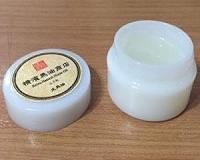
But the company is especially keen on creating more awareness of its topical horse oil. At a booth set up at the sprawling CareTEX 2016 exposition held at Tokyo Big Sight March 16-18, guests were also able to sample small tubs of pure raw horse oil that Diara touts as an anti-wrinkle, anti-inflammatory agent.
"Horse oil is easily absorbed by human skin, rate due to a fatty acid structure similar to that of human sebum," says a Diara employee. "It is ideal for treating burns, scratches, and otherwise restoring human skin to its normal healthy state."
Horse oil has a long history as a home remedy with roots to ancient Chinese equestrian civilizations. It is thought have been brought to Japan during the Tang Dynasty (618-907A.D.).
As a nation, Japan has for decades been one of the leaders of both horsemeat and live horses for consumption; Diara imports its horses from free-ranging sources in Canada where pesticide and hormone use is minimal or avoided. The oil is taken primarily from the neck region of the animal under its mane.
Horse oil is full of ceramides, which form a protective outer barrier around skin, helping to keep bacteria out while retaining moisture. Online skin care review site Skin and Tonics notes that horse oil began to soar in popularity as a skincare ingredient in Korea from last year. A plethora of horse oil added products have since come to market.
Diara's product is 100% pure, deodorized, and leaves no greasy feel.
"Horse oil used to be known as a kind of snake oil, and given the name 'gama abura,'" explains easy-going Diara CEO Takashi Terauchi, on-site at the company's booth to field questions. "But there are some really good topical uses. Of course, you can still eat the horse's meat, too."
An 80g tub of horse oil retails for 1080 yen. Other health care products offered include 100% 'extra natural' horse oil shampoo, which sells for 1,944 yenfor 400ml, and 50g bars of horse oil soap at 864 yen.
"Horse oil used to be known as a kind of snake oil, and given the name ‘gama abura,' but there are some really good topical uses. Of course, you can still eat the horse's meat, too." — Takashi Terauchi
