
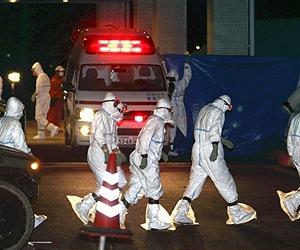
Japan has found radiation above the legal limit in beef from near a stricken nuclear plant, the first such finding in meat since a quake and tsunami triggered the atomic crisis, local media reported.
The health ministry said 510 becquerels of radioactive cesium had been detected in beef from Tenei in Fukushima prefecture, about 70 kilometres (40 miles) from the plant — exceeding the 500-becquerel limit, Kyodo News said.
But further checks are being carried out on beef from the region, an official from the Nuclear and Industrial Safety Agency was quoted as saying, because of a gap in radiation levels between the Tenei sample and others.
The government has already halted shipments of untreated milk and many vegetables from Fukushima and three neighbouring prefectures after radioactive substances were found in samples of the foodstuffs.
It has stepped up radiation monitoring in another six prefectures, covering an area that borders Tokyo.
On Saturday, officials said that lettuce contaminated with radiation above the legal limit had been found at a wholesale market in central Japan, shipped from a farm north of Tokyo.
The twin natural disasters on March 11 severely damaged the Fukushima nuclear plant, which is leaking harmful radioactivity that has also prompted the evacuation of local residents.
earlier related report
Brazil to check Japan food imports for radiation
Brasilia (AFP) March 31, 2011 –
Brazil will begin examining food imports from Japan for possible traces of radiation, state-run Agencia Brasil said Thursday, as concern mounts over the Asian nation's nuclear crisis.
Health authorities will collect samples at Brazil's ports, including the busy cargo port of Santos, and send them to nuclear labs.
The state news agency said authorities from Brazil's food and drug administration Anvisa would also require safety certificates from Japanese health authorities for any food products originating in provinces near the stricken Fukushima nuclear power plant on Japan's tsunami-hit northeast coast.
It cited an Anvisa spokesperson saying the Japanese products to undergo scrutiny will be limited to ingredients in bakery goods.
Brazil has a century-long trade history with Japan, prompted by the arrival of large amounts of Japanese immigrants who worked as agriculture laborers in Brazil, which is now a major consumer of Japanese products.
Brazil is believed to have the world's largest Japanese community outside Japan, estimated at about 1.5 million descendants.
Last week Brazilian health authorities indicated they would not adopt any radiation patrol measures for food, arguing there was little risk to key food imports.
Share This Article With Planet Earth
