
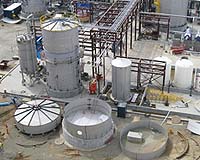
Gulf Ethanol will meet this month with several Central American ethanol producers to negotiate the conversion of existing plants to cellulosic feedstocks. Demand for cellulosic ethanol is high in these countries. Gulf will provide the technology, engineering and installation of cellulosic technology to the plant owners and will share in the profits of each plant.
"The economics of cellulosic ethanol production are compelling," noted JT Cloud, Gulf's President. "As smaller nations seeking energy independence have abundant biomass that can be used to produce cellulosic ethanol. Cellulosic ethanol will reduce fuel costs, support environmental concerns, and reduce energy dependence," he concluded.
These ethanol plants were originally built to produce ethanol from food based feestocks such as corn and sugar cane. As a result, the price of feedstocks and of food have gone up, placing stress on the plants profitability. Companies such as Archer Daniels Midland and Bunge Limited have led in the development of traditional feed-stocks. Chevron recently announced a joint venture with Weyerhaeuser to develop cellulosic feedstocks from wood products. "The industry has taken a sharp turn toward cellulosic feedstocks for ethanol," stated Mr. Cloud. "We expect to be a leader in this sector," he added.
