
U.K. and German scientists say they have conducted a genome-wide study into the impact genetic variations eight blood measurements have on human diseases.
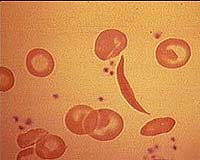
The international team of researchers measured hemoglobin concentration, the count and volume of red and white cells and the sticky cells that prevent bleeding — platelets — in more than 14,000 individuals from the United Kingdom and Germany.
The scientists said their study uncovered 22 regions of the human genome implicated in the development of these blood cells — and of the 22 regions, 15 had not been previously identified.
The researchers said the study represents the first genome-wide association of blood measurements to be completed in cohorts with large sample sizes.
"This study has allowed us to discover novel genetic determinants of blood cell parameters, providing important insights into novel biological mechanisms underlying the formation of blood cells by the blood stem cells and their role in disease," said Nicole Soranzo of the Wellcome Trust Sanger Institute, who co-led the research with Christian Gieger of Germany's Helmholtz Center.
The study appears in the journal Nature Genetics.
Share This Article With Planet Earth
