
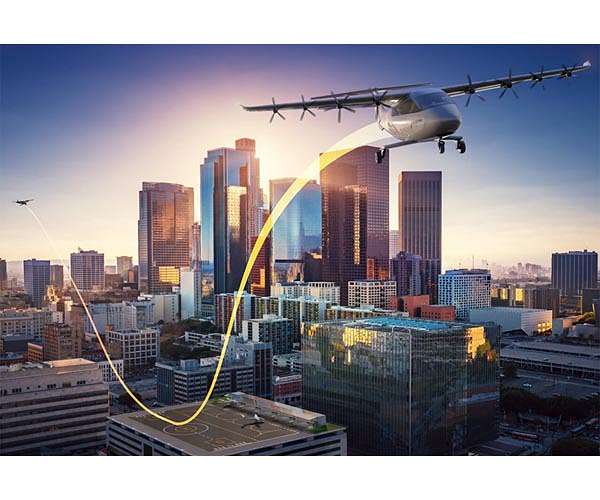
Electra demonstrated the flight capabilities of its EL-2 Goldfinch hybrid-electric short takeoff and landing (eSTOL) technology demonstrator aircraft at NASA's Langley Research Center on July 15. This event marked the first piloted flight of an electric aircraft at NASA Langley.
Electra and NASA are collaborating on Advanced Air Mobility (AAM) research and demonstrations under a NASA Space Act Agreement. Additionally, Electra is engaged in a NASA Small Business Innovation Research (SBIR) project focusing on solar-electric, high-altitude, long-endurance aircraft, known as high-altitude platform stations (HAPS). Electra has also contributed to a NASA study on Regional Air Mobility (RAM), exploring the integration of underutilized airports into the national transportation network.
The flight demo showcased the eSTOL aircraft's use of distributed electric propulsion (DEP) with blown lift technology, enabling takeoffs and landings in under 150 feet. The demonstration emphasized the hybrid-electric system's potential for longer-range flights and battery-electric capabilities for quiet operations. Earlier that day, the aircraft completed a 120-mile flight from Electra's Manassas, VA facility to NASA in Hampton, VA using its hybrid propulsion system.
Electra is developing a 9-passenger eSTOL aircraft designed to replace vehicle trips of up to 500 miles with decarbonized, quiet, and affordable air travel. This aircraft could connect Northern Virginia to the Hampton Roads area in a quick 35-minute flight, compared to a 2.5-hour drive.
"NASA is an incredible institution that has developed many of the foundational technologies underpinning today's aviation industry. They are now pioneering the future with advanced air mobility innovations," said JP Stewart, Electra's Vice President and General Manager. "We look forward to continuing our collaboration with them on new technologies that will extend seamless and convenient air travel to all communities."
