
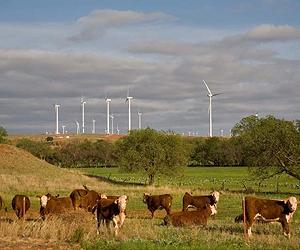
Dakota Wind Energy, along with its managing member, National Wind, have announces the acceptance by the Midwest ISO ("MISO") of its 300 megawatt (MW) interconnection request into the Big Stone II Transmission backfill study group. Regional electrical transmission operator, MISO, identified wind projects that can utilize, or "backfill," the electrical capacity once reserved for the Big Stone II coal plant.
As a result, Dakota Wind Energy's interconnection request will move into a more advanced MISO study phase, in which additional required system upgrades will be identified.
Once all of the upgrades are studied and established, Dakota Wind Energy can enter into a generator interconnection agreement, allowing us to interconnect the initial 300 MW portion of the Dakota Wind Energy project to the transmission grid.
"Qualifying for Big Stone II backfill status is important for Dakota Wind Energy since transmission capacity is limited in South Dakota," says Ben Kerl, a senior developer of Dakota Wind Energy.
"We now have an avenue to transmit our project's energy to the market. The qualification process was rigorous; we had to demonstrate a number of key permitting, engineering and financial milestones. I appreciate Dakota Wind Energy's local board of advisors for their hard work and support throughout this process."
Dakota Wind Energy was formed by National Wind in partnership with local landowners in January 2008. The project's goal is to develop up to 750 megawatts of community-owned wind energy in Day, Roberts, and Marshall counties in northeastern South Dakota.
Currently, Dakota Wind Energy has leased approximately 60,000 acres and recorded over two years of on-site meteorological tower data, which has indicated an excellent wind regime. The project has also completed its initial environmental assessments and filed a draft site permit with the South Dakota Public Utilities Commission.
"We look forward to developing Dakota Wind Energy's first 300 MW phase and bringing community wind's long-term economic benefits to the area, " says Kerl. "These benefits include enhancing the local tax base, creating local jobs and of course, ensuring project revenues are kept local."
Share This Article With Planet Earth
