
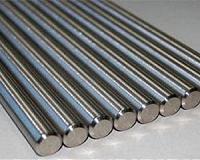
Once considered a 'wonder metal,' titanium is slowly creeping into everyday 'cool' consumer product use – most conspicuously, in smartphone accessories.
Lightweight, strong, and highly resistant to heat and corrosion, titanium has for some time been used as a 'vanity metal' for watch cases, tennis rackets, racing bikes, and other sports equipment where strength is balanced against weight and cost is not a concern.
Titanium alloy cell phone cases represent some of the hottest, more recent entries in this field. Luxury goods maker Gray International exists on this high-end plane, where it pushes its precision-machined, laser-engraved Advent line of Apple iPhone 6 cases made of aerospace grade 5 titanium. It markets them as limited production sets for $1,000 each.
"Titanium is still relatively expensive to mine, refine, and mill, no question about it," says Sou Sei, Taiwan and Japan marketing director at China-based TC Titanium. "Production costs are coming down, but we have yet to hit that ideal 'cost vs. price point' that would make you expect the market to really take off."
Barely nine years old, TC Titanium combines titanium and titanium alloy material research and development with product manufacture. Based in Shaanxi in northwest China, the firm benefits from rich local ore deposits which help keep production costs down.
Manning the company's booth at the April International Laser and Photonics expo in Tokyo, Mr. Sei displayed his company's latest titanium consumer gear, which included an abundant stock of iPhone cases in a variety of heat-treated and anodized colors.
All of the units are grade 5 material, the most common industrial-use titanium alloy, which includes about 6% aluminum and 4% vanadium. About 40% lighter than stainless steel, the display units are indeed chic-looking.
At an average price of $60 per unit for a minimum 100-lot wholesale order, however, TC Titanium actually takes a small loss, according to Mr. Sei. The company is trying hard to get its products into the Japanese market, which ranks 10th globally with over 121 million mobile phones in use.
Milling titanium into eye-pleasing form is trickier than other metals because of the risk of heat buildup. Due to the metal's low thermal conductivity, overly aggressive milling poses a risk of combustion. Much of the material can also go to waste in the production process if it's not machined properly.
"Right now, one plate of alloy is used to make one iPhone frame, and the remainder can't be salvaged," says Mr. Sei. "We need to figure out a way to use more of what is lost. We're entertaining any ideas that would lead to a cost-cutting advantage."
Currently, labor and mining costs are relatively stable at TC Titanium, meaning that a technology-based solution is likely going to have to be developed to solve the problem. The company is hoping have measures in place to be able to meet demand when the iPhone 7 is released this fall.
If history is any guide, interest in titanium iPhone 7 frames will be part of the mix of aftermarket sales of the new Apple device. According to sales analyst NPD, mobile phone accessories in the U.S. hit a new record in the two weeks immediately following the release of the iPhone 6 and iPhone 6 Plus in 2014 – to the tune of a staggering $249 million.
The figures represented a 43% increase from the two weeks before the new unit's launch, and far higher than the 17% increase seen in the same period after the release of the iPhone 5c and iPhone 5s the year before.
