
Bulgaria reversed on Tuesday plans to start shale gas exploration as it withdrew a five-year permit for test drilling that had been granted to the US oil giant Chevron, the government press office said.
The government cited "the lack of sufficient assurances that the commonly used shale gas drilling method of hydraulic fracturing or 'fracking' can guarantee environmental safety," to explain its decision.
The cabinet decided last June to grant Chevron a permit to explore and eventually develop shale gas deposits in a huge 4,398-square-kilometre (1,698-square-mile) field near Novi pazar, in northeastern Bulgaria.
The deal had not been officially signed but already faced massive protests in recent months from environmentalists, who called for the government to impose a moratorium on fracking for shale gas in the country.
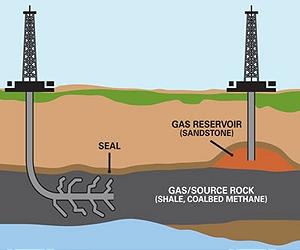
The method, which uses high pressure injections of water, sand and chemicals to blast through rock and release oil and gas trapped inside, is widely used in the United States.
But opponents have slammed it as potentially harmful for the environment, raising concerns it could contaminate drinking water.
Bulgaria, which depends almost totally on Russian natural gas deliveries via Ukraine, saw shale gas as a way of diversifying supplies.
The country's reserves are estimated between 300 billion and one trillion cubic metres (392 billion – 1.3 trillion cubic yards) of gas, Energy Minister Traicho Traikov said, citing data from energy companies.
Vehement opposition to the deal however prompted parliamentarians to start debating this week a moratorium on shale gas exploration until environmental guarantees are introduced in the existing legislation.
Parliament was expected to review the moratorium on Wednesday.
