
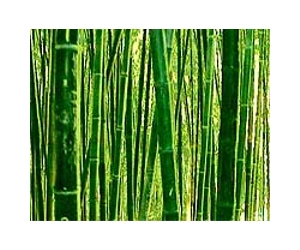
Fast-growing and shallow-rooted bamboo shows promise for use in remediation of waste sites, federal researchers in South Carolina said.
Two species of the nearly 1,000 species of bamboo are being tested in a nursery at the Savannah River National Laboratory near Aiken, S.C., the U.S. Department of Energy said in a release Tuesday.
Poaceae bissetii and Poaceae rubromarginata, two smaller species of bamboo with runners, were planted in 1991 in an acre plot about 10 feet apart. Since then, the bamboos, especially P. bissetii, have proven effective at being cold hardy, drought tolerant and able to thrive in full sun, said Eric Nelson, an analyst at the Savannah River lab.
The bamboos also spread roots quickly and prevented erosion without penetrating the caps used on waste sites, Nelson said. Caps prevent rain from seeping through waste and spreading contamination.
Share This Article With Planet Earth
