
Sinus and congestion issues are a frequent challenge for astronauts, according to new findings from Houston Methodist. A study led by Dr. Masayoshi Takashima reviewed 754 medical incidents among 71 astronauts who served on the International Space Station between 2000 and 2019. The analysis revealed that 85% reported at least one nasal or sinus problem, and 75% experienced nasal congestion. Takashima explained that in microgravity, the absence of gravity's pull causes fluids to accumulate in the head, leading to this common complaint.
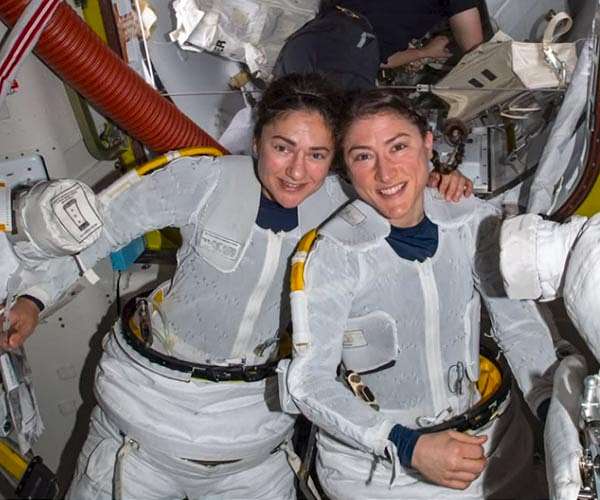
The research also linked spacewalks to worsening symptoms. Pressure changes from moving between the spacecraft cabin and a space suit increased congestion, barotrauma and Eustachian tube dysfunction, which can cause ear pain, muffled hearing and a sensation of fullness.
While many astronauts turned to over-the-counter medications, Takashima cautioned that these drugs might not act the same way in space. He emphasized that as human spaceflight and space tourism grow, understanding and preventing these health issues will be essential.
"Astronauts are typically among the fittest individuals on the planet, yet this study shows that even they experience substantial sinonasal complaints in space," Takashima said. "Imagine what happens when civilians with preexisting conditions start traveling to space."
The team recommends screening for nasal and sinus problems before flight and considering minor procedures to improve breathing. Takashima also stressed the need to develop space-effective treatments. "This is about maintaining peak performance," he said. "If you're not sleeping well because you can't breathe, your cognitive function, reaction time and mission performance can suffer, and those things are absolutely critical in space."
Research Report:Congestion and Sinonasal Illness in Outer Space: A Study on the International Space Station
