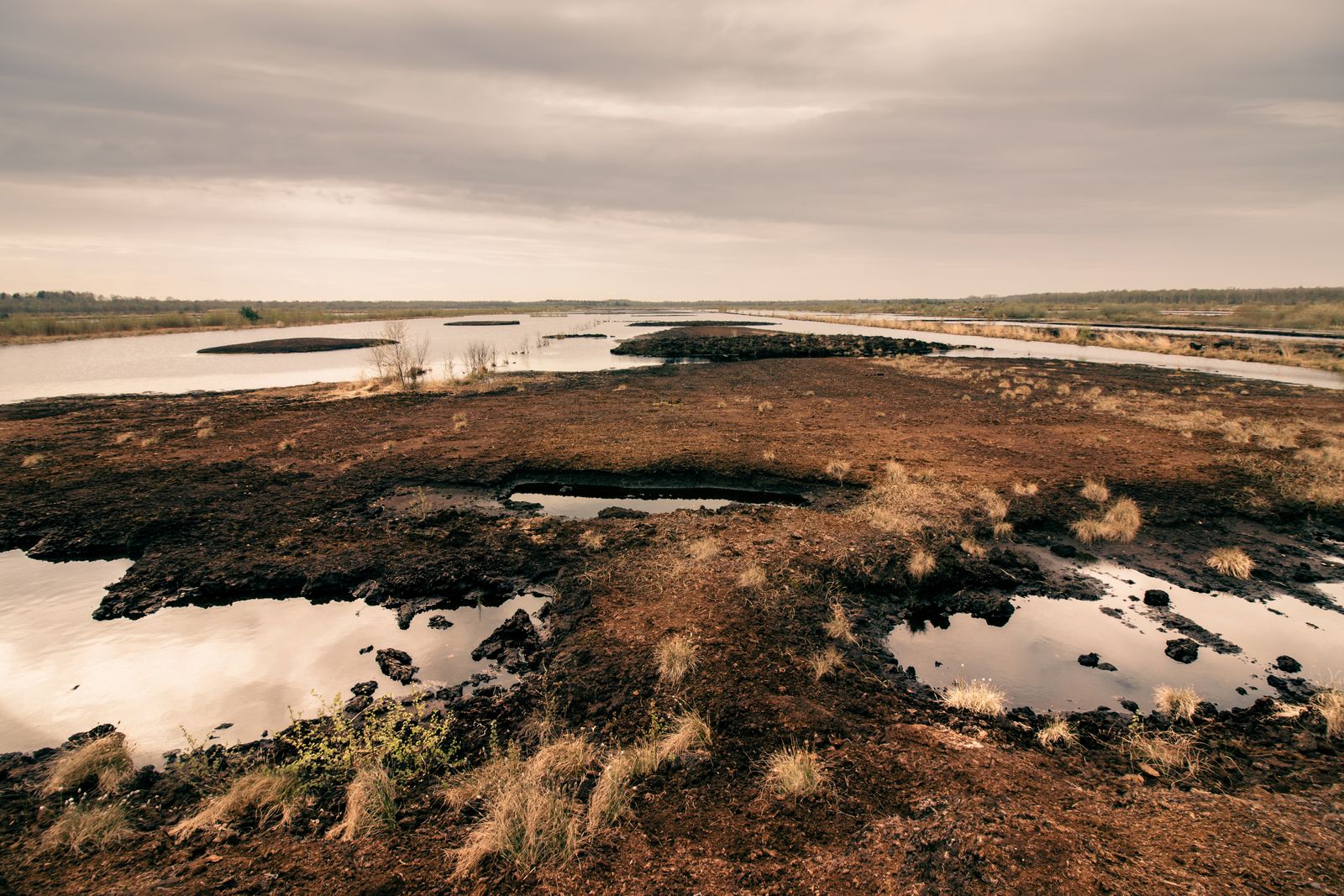
The park is Doñana, a mosaic of marshes, dunes and cork oak on Spain’s Atlantic coast in Andalusia, and the mechanism that emptied it is a swarm of boreholes drilled without permits into the Almonte-Marismas aquifer to irrigate strawberries, blueberries and raspberries across Huelva province. On 24 June 2021 the Court of Justice of the European Union ruled in Case C-559/19 that Spain had breached both the Water Framework Directive and the Habitats Directive by failing to account for and halt the over-extraction. In November 2023 Madrid and the Andalusian regional government signed a €1.4 billion pact running to 2027: money for water management, habitat restoration and payments to farmers who give up irrigating. Five winters after the judgment, the January 2026 waterbird census counted 385,649 birds of 88 species — the best count in years, and still below the long-run average.
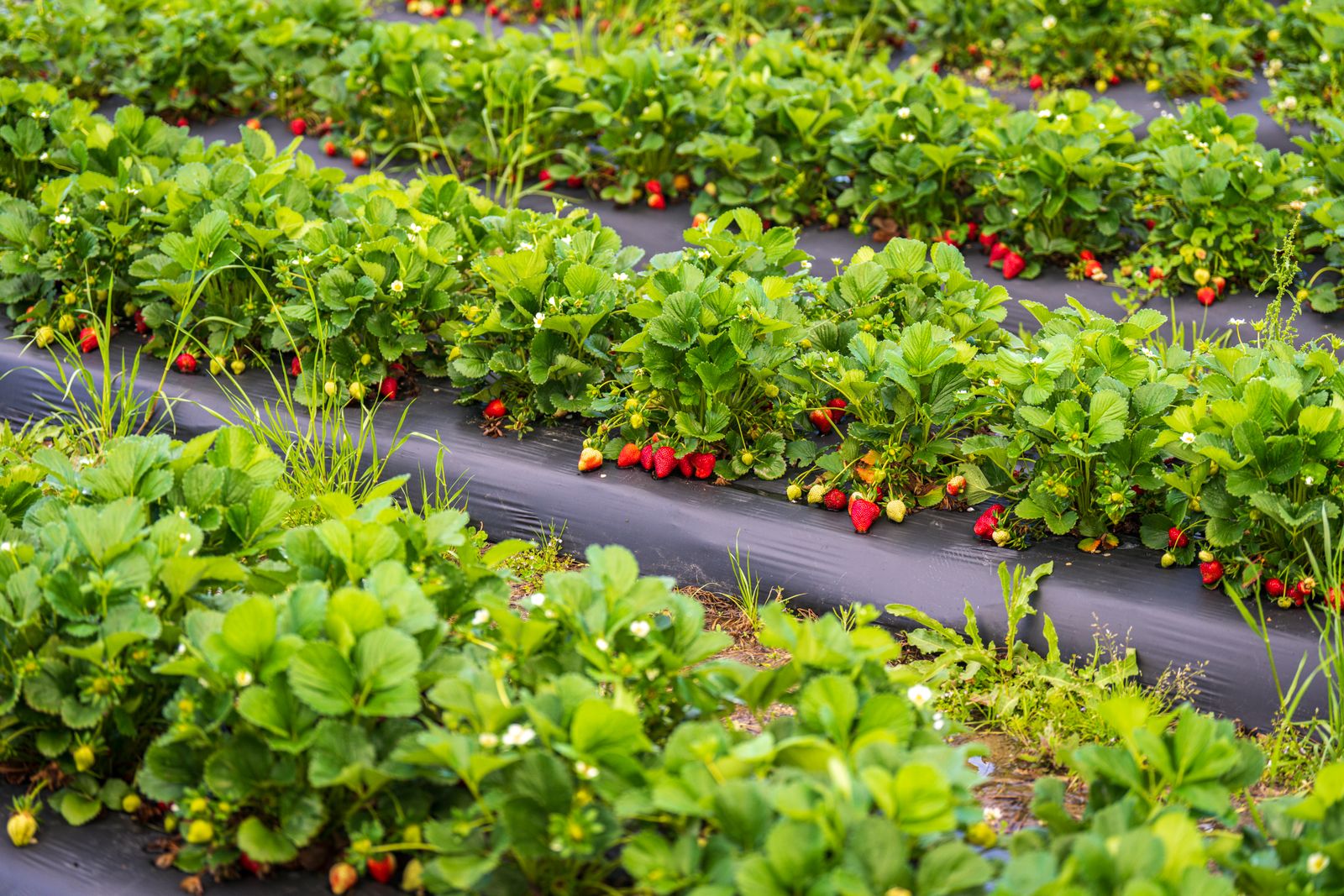
The berry belt sits directly north of the park. Huelva grows the overwhelming share of Spain’s soft fruit and is the world’s largest strawberry exporter, shipping punnets into British and German supermarkets from February onwards. Each one carries an invisible cost measured in litres lifted from the same aquifer the marshes draw on when the rain stops.
The park that runs on a sponge
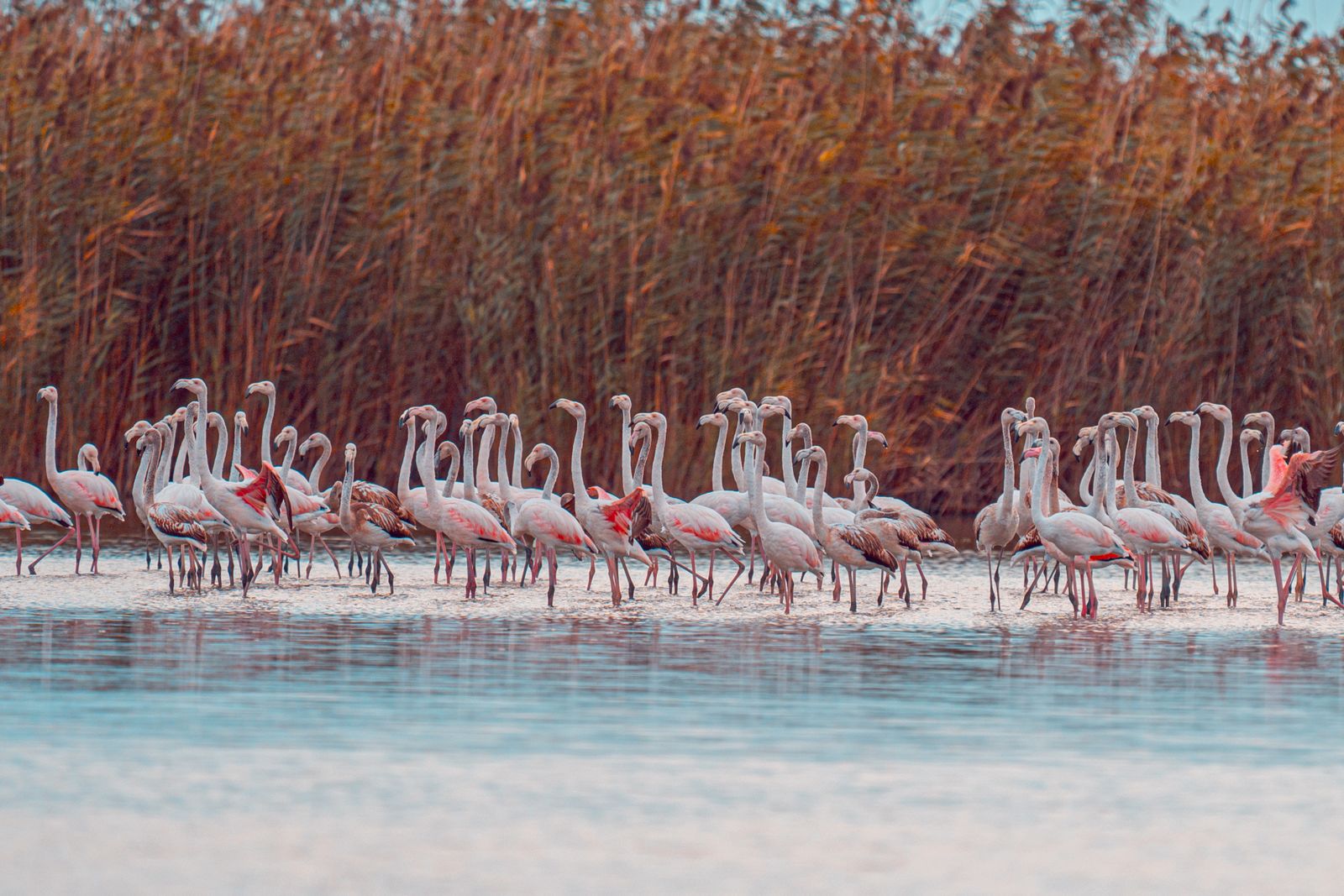
Doñana was inscribed as a UNESCO World Heritage Site in 1994 and is the single most important stopover for birds moving between Europe and Africa. Greylag geese winter here. Spoonbills nest here. The Iberian lynx breeds in the surrounding scrub.
The whole system rests on a shallow aquifer that behaves like a sponge. In wet years the sponge fills, water seeps upward through the clay, and the shallow lagoons — the lucios — hold water long enough for chicks to fledge. In dry years the sponge empties and lagoons that once stayed wet into midsummer crack open by June. Researchers at the Doñana Biological Station have documented that more than half the park’s lagoons have effectively disappeared, with 80 percent drying earlier than rainfall and temperature alone would explain.
Carlos Dávila, SEO/BirdLife’s spokesperson in Doñana, has argued to Sur in English that a single wet winter cannot undo what decades of pumping have done, and that while overexploitation continues, the Doñana people remember may not come back.
How the strawberry belt drained the marsh
The berry farms crept south through the pine forests of Huelva from the 1980s onwards, replacing olives, cereals and potatoes. Sandy soil, cheap plastic tunnels and a mild Atlantic winter made the region ideal for early-season fruit, and the sector grew faster than the water rules could keep up with. Growers drilled boreholes without permits. Regional authorities issued retroactive concessions or looked away.
By the time the European Commission opened its infringement file in 2014, the aquifer was being pumped at a rate no winter rain could match. WWF has put the scale at somewhere between one and two thousand illegal wells watering roughly 2,000 hectares of berries outside the reserve.
The tourist coast takes its share too. Matalascañas, a resort barely a kilometre from the peridunal lagoons, draws drinking water from the same aquifer, and CSIC piezometers can detect the difference between a weekday and a summer weekend in the water table.
What the 2023 settlement proposes is straightforward in outline. Public money buys out illegal irrigation. Wells get sealed. Farmers who accept payment convert to rain-fed or reforested land and sign away future extraction. Farmers who refuse face — at least on paper — enforcement.
Why the European Court intervened
The 2021 judgment closed a case the Commission had been building since 2014. It argued Spain was failing on two fronts: allowing groundwater extraction that degraded protected habitats under the Habitats Directive, and refusing to properly characterise and cap that extraction under the Water Framework Directive. The Court agreed on both, finding in particular that the Guadalquivir basin plan had simply left unlawful abstraction and urban supply out of its estimates.
That mattered because it shifted the argument. Before 2021, Spanish authorities could frame the aquifer’s decline as mostly climatic — a drought problem rather than a policy problem. After 2021, the state had to show that its water plans actually protected the wetland’s ecological status, and it had to act against illegal wells rather than legalise them.
The physical evidence had already arrived. In the summer of 2022, Santa Olalla — the largest lagoon in the park and the last to hold water in August — dried out completely. Station records going back to the 1970s showed it had gone dry only twice before, in 1983 and 1995, on both occasions after four consecutive drought years. It then dried again in 2023 and in 2024; a 2026 hydrogeological study treats the pond as having converted to a temporary water body from 2022 onward.
EL PAÍS, reporting from the lagoon bed months before that, described a Santa Olalla that had shrunk from 45 hectares at its peak to less than 0.6, with hundreds of illegal catchments still running in the strawberry farms around it.
The €1.4 billion pact and what it has bought
The agreement signed on 27 November 2023 by the Spanish government and the Junta de Andalucía committed €1.4 billion to the Doñana region through 2027. In exchange, Andalusia dropped its plan to legalise additional irrigation — the proposal that had drawn objections from UNESCO, Madrid and the conservation NGOs. Farmers in fourteen towns around the park were offered incentives to stop cultivating and reforest, or smaller payments to switch to dry ecological crops.
It is not purely a buyout. A large share of the money goes to water infrastructure, biodiversity restoration and improving conditions for the seasonal pickers who bring in the harvest. Greenpeace welcomed the deal at signing while warning that compensation could end up rewarding the people who had been breaking the law.
Nearly three years on, the effects are hard to see in the water table. Verifying which parcels were illegally irrigated is slow administrative work, and the political incentives on either side of the pact point in different directions: Madrid framing the money as ecological transition, Seville framing it as support for an agricultural sector that employs a large fraction of the county.
The precedent conservationists reach for is Costa Rica, which roughly doubled its forest cover in a generation by paying landowners to keep trees standing — the same logic of paying for a service that markets do not price. Doñana is harder. You cannot fence an aquifer. Water moves underground across property lines, across municipal boundaries, past the reach of any ranger station, and the park’s hydrology is set by land use across thousands of hectares of private farmland to the north.
Courts can order, but they cannot pump. In March 2026 Human Rights Watch reported that Ecuador was still extracting crude from Block 43 in Yasuní National Park despite a 2023 referendum and an Inter-American Court ruling ordering it to stop. Spain sits at the other end of that spectrum — it has accepted the judgment, funded a settlement and sealed wells — but the aquifer does not wait for administrative timetables.
What a wet winter buys, and what it doesn’t
The winter of 2025-26 was unusually generous. Rain filled the marshes, and January’s count of 385,649 birds across 88 species ended two years of record lows, with ducks and glossy ibis rebounding hard — the ibis alone up by more than 12,000 individuals. Even black storks, scarce anywhere in Europe in winter, reached 113.
The census release is careful about what that means. The total remains below the multi-decade average and a long way from the 1989 maximum. Invasive species, the American blue crab among them, are spreading through channels where native fish should dominate. Higher temperatures across southwestern Iberia are pulling water out of the soil before it can percolate down.
SEO/BirdLife’s list of demands has not changed much: definitive closure of every illegal well with enforcement budgets attached, a freeze on new concessions, metering on every legal well, and water priced to reflect what lifting it actually costs. The most striking ask is a legal one — that Spain’s coastal lagoons be declared the country’s first habitat in danger of disappearing under a catalogue that has sat unapproved since 2007.
What the marsh will look like in August
By late summer the shallow lagoons will have retreated to a handful of pools kept alive by pumped inputs. The cracked mud will bake to a pale grey. The greylags that filled the wetlands in January will be nesting in northern Europe. The strawberries picked in April and May will already have been eaten in Hamburg and Manchester.
Somewhere beneath the dry marsh the aquifer will still be losing water — tenths of a metre of drawdown a year, invisible from the surface, cumulative in the way that only becomes legible when a lagoon that held water every August for forty years stops doing it four summers running.
That is the ledger the European Court intervened to correct. Whether €1.4 billion closes enough wells fast enough to matter will show up, one January at a time, in the census counts.