
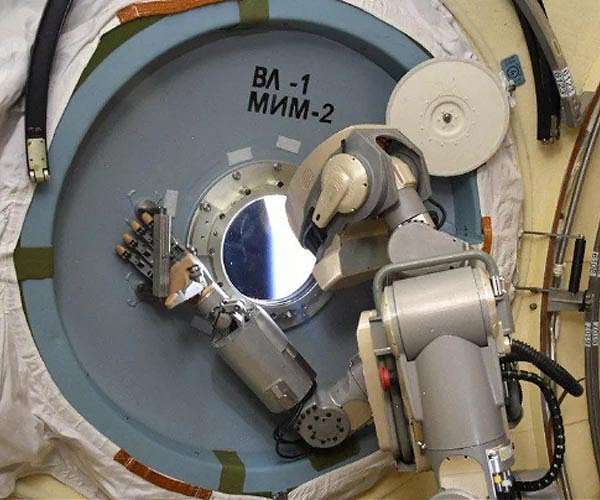
Space exploration sparks curiosity. It has led people to wonder how much of that journey should involve humans and how much should rely on robots. The debate between human exploration and robotic missions can be exciting. Yet, it also invites deeper reflection. Writing about this topic in a structured way can offer fresh insights. But where should a writer begin? This article explains key steps for examining both sides and forming a balanced argument on human versus robotic exploration.
Laying out ideas clearly takes careful thought and organization. That is where a well-planned essay can make a difference.
Understanding the Basics
To explore this topic, one useful approach is to craft an analytical essay. Such a paper goes beyond summarizing facts. It breaks down points, weighs evidence, and explains the deeper meaning behind each argument. For instance, a writer might examine the challenges and rewards of sending humans into space, then compare that to the efficiency of robotic missions.
Analyzing both sides often reveals unexpected details. Some facts might seem obvious at first glance. Yet, with closer study, a different picture can arise. The key lies in asking specific questions and supporting each conclusion with evidence. This technique helps organize ideas in a clear way that readers can follow step by step.
The Value of Human Exploration
The presence of astronauts in space brings unique benefits. Observers often note that human explorers can make quick decisions when faced with unexpected events. They can adapt, fix equipment, and cooperate in real-time. These actions can be harder for robotic systems to replicate without direct guidance.
Yet, how does this personal element enhance the search for knowledge? Many say it inspires a sense of wonder. Human explorers share stories, record feelings, and spark public interest in new discoveries by describing them firsthand. Such personal accounts encourage more excitement and open the door to broader support. When curiosity grows, so does the drive for deeper scientific study.
Advantages of Robotic Missions
Robots offer several clear benefits for space travel. They can handle harsh conditions without risk to human life. This means that exploring places like deep craters or intense radiation zones becomes safer. Robots do not need food, water, or oxygen. They can also remain operational for years with minimal updates.
Here are a few reasons robotic missions draw attention:
+ Long duration: Robots can travel far and stay active longer.
+ Cost-effectiveness: They typically require fewer resources than crewed flights.
+ Precision: Some designs collect samples with exact movements, avoiding human error.
Such traits make them valuable for tasks where safety and accuracy matter most. Robotic programs often pave the way for later human missions.
Balancing Risks and Costs
The choice between human and robotic exploration often hinges on expense and danger. Launching people into orbit requires extensive training, protective gear, and life-support systems. Robotic craft, on the other hand, avoid many of these costs. Yet, do they capture the same level of public interest?
Decision-makers must weigh all factors. A single human mission can spark major breakthroughs, but it can also pose high risks. On the flip side, several robot probes might gather data at a fraction of the cost. Without humans on board, however, missions might lose some personal connection. The right balance depends on goals, available resources, and the level of risk a program is willing to accept.
Structuring the Essay
Structuring an essay on this topic involves clarity and order. Writers often start with a clear introduction that states the main question. Next comes a body with separate sections for each viewpoint. One section might outline why human exploration matters. Another could detail the advantages of robotics.
Evidence is crucial. Charts, research papers, and expert quotes can back up ideas. Without this support, claims might appear weak. Each section should end with a short summary that links to the main topic.
A concluding paragraph then brings everything together. It should give a final judgment or call for more research. Do both sides have equal value? The reader should walk away with a deeper understanding of the debate.
Conclusion
In reviewing this debate, it becomes clear that both human and robotic exploration have vital roles. People can adapt to unexpected changes, share personal experiences, and ignite greater public support. Robots reduce risks, lower expenses, and gather data in environments too dangerous for direct contact. A strong essay will employ balanced research and clear analysis.
When writing on this topic, it is useful to revisit the main question: Which approach should be a priority? The answer often depends on the goal at hand. Some missions aim for hands-on learning and inspiration, while others focus on gathering large amounts of data at minimal risk.
In the end, both methods can work together. This teamwork can unlock broader scientific understanding and encourage further discoveries. That shared mission-to learn more about space-shows how human and robotic efforts can complement one another for the benefit of everyone.
One final thought: any future mission, whether crewed or robotic, can create progress. Both paths deserve serious study and thoughtful planning.
