
The U.S.-Japan military pact was honored in a videoconference between the U.S. Navy Chief of Naval Operations and Japan's Maritime Chief of Staff.
The U.S. Navy said in a statement that Adm. Mike Gilday and Adm. Hiroshi Yamamura of the Japan Maritime Self-Defense Forces discussed "ways to strengthen the two navies' interoperability" on Tuesday.
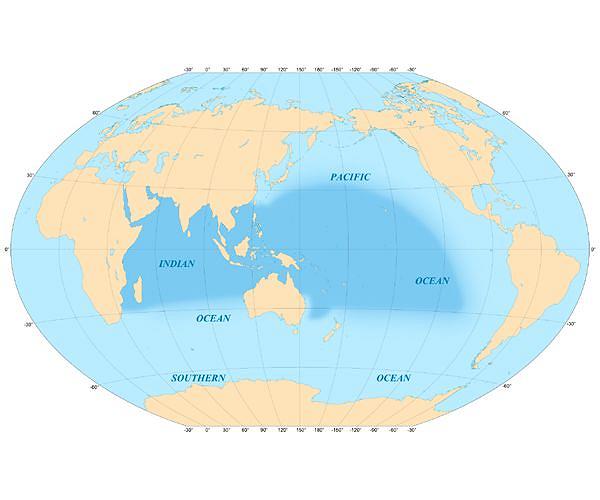
"The alliance between the U.S. and Japan is a cornerstone of security and stability in a free and open Indo-Pacific," said Gilday. "Adm. Yamamura and I remain committed to strengthening the bonds of our navies' cooperation and friendship, and we stand ready, together."
He also thanked Japan's Maritime Self-Defense Forces for its continued support.
"The discussion today with Adm. Gilday to promote naval cooperation and enhance alliance capabilities for deterrence and effective response is of great significance," said Yamamura. "The JMSDF and the U.S. Navy will continue to closely work together for a 'Free and Open Indo-Pacific.'"
The "free and open" concept is an important element of the U.S.-Japan security agreement, which adheres to three principles often mentioned in Japanese diplomacy and military policy: promotion and establishment of the rule of law and freedom of navigation; pursuit of economic prosperity, and a commitment to peace and stability through maritime law enforcement.
The United States and Japan regularly participate in air, sea and land military exercises.
Last week, Hawaii-based planes of the U.S. Air Force, including F-22 fighter planes, were deployed to Japan for exercises with Japanese forces at Marine Corps Air Station Iwakuni, Japan.
The Japan Air Self-Defense Force also joined aircraft of the United States and Belgium last month in a Group Arabian Sea Warfare Exercise led by the French aircraft carrier strike group of the FS Charles de Gaulle.
