
Cairn Energy, which has headquarters in Scotland, is primed for growth on the back of North Sea and African developments, its chief executive said Wednesday.
Three years ago, the company said costs tied to unsuccessful exploration campaigns and emerging industry pressures forced it to make reductions to its work force. With new efforts paying off for the explorer, and with improved market conditions, Chief Executive Simon Thomson said the company was positioned for recovery.
"The company remains well-positioned to deliver further value for shareholders from multiple catalysts within the portfolio," he said in a statement.
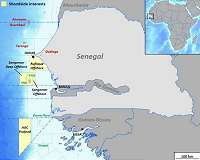
This week, the company said it was reviewing the latest appraisal data from its holdings off the coast of Senegal. Cairn estimates its SNE field offshore Senegal holds at least 2 billion barrels of oil in place. The company said "multiple" new prospects have been identified there and first oil was expected no later than 2023.
Closer to home, Cairn said its efforts in the British and Norwegian seas were paying off. The company said it expects at least 25,000 barrels of oil equivalent in production from the British North Sea, an area lauded by a trade group recently for its resiliency. In Norway, the company scored a series of new operational licenses in areas thought to have a high potential for commercial oil discoveries.
"Cairn continues to deliver positive progress across its balanced portfolio," Thomson said. "2017 will see first oil from our North Sea developments and progression of an exciting ongoing exploration and appraisal drilling program in Senegal, all against a backdrop of increased financial flexibility."
U.S. rig counts increased in February
The number of rigs deployed in the United States on average last month was up more than 200 from last year, oilfield services company Baker Hughes reported.
Rig counts serve as a loose metric to gauge the industry's confidence in spending on exploration and production. A gain would indicate growing confidence in a particular region, while a decline suggests market conditions are cost-pr … read more
