
NextFuels, a bio-diesel company headquartered in New Hampshire and San Francisco, is calling for the elimination of non-sustainable bio-fuels from the U.S. alternative fuels market, according to letters sent to members of the United States Senate. This week, the letters were sent to the Chairs and Ranking Members of the six most relevant Congressional Committees
"We believe that the time has come for Americans to be certain that the green fuels they are using do not come at the expense of sensitive habitats or other practices that cause deforestation or degradation of land in developing countries," said James Kantelis, Chief Executive Officer of Next Fuels.
"We are ready to take the steps required to make this idea a reality. Our industry needs to put these issues to rest and we want to lead the effort," he continued.
"When compared to petroleum based diesel, palm oil based diesel reduces green house gases by 60%, making this bio-fuel an important component of any public policy focused on reducing these gases in our atmosphere," said Ralph Overend, Science Advisor to Next Fuels.
In their letter to members of Congress, signed by Co-founder Wade Randlett, the firm is taking this step because they recognize that "there are corporate bad actors who do not share our commitment to producing bio-diesel from oil that is sustainably harvested from land that was not clear cut or burned to make way for the feedstock plantings.
"We also believe that American consumers have a right to know that the green fuel which they consume did not come to their gas tanks at the expense of sensitive land that would detract from the environmental benefits consumers assume they are furthering."
The letter continues: "We believe that the concern about bio-fuels and deforestations must be put to rest, and that the Congress should re-focus the nation's attention of the extraordinary benefits and the historic opportunity that bio-fuels afford our country. In the case of palm bio-diesel, the product reduces green house gases and other pollutant emissions by at least 60% compared to petroleum diesel, while reducing our dependence on foreign petroleum gallon-for-gallon.
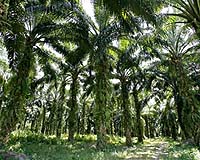
"In addition, the crop itself is nothing more than a vast stand of trees with a complete green canopy that absorbs CO2 and emits oxygen just like any pine tree in an American forest, giving bio-fuels like ours a carbon footprint of zero even after including the CO2 released when the fuel is burned."
In its proposal, NextFuels suggested that Congress make the existing $1.00 per gallon bio-diesel tax credit available only to companies which do not own, harvest, or traffic in trade any virgin vegetable oil whose source is feedstock planted on land that was untimbered at any time after the tax credit was created.
NextFuels also suggested that Congress should take all possible steps to penalize or prohibit the non-bio-fuel use of products which use virgin vegetable oil harvested from any lands that have been deforested in order to plant those feedstocks.
At least 95% of world palm oil consumption comes from non-bio-fuel use such as snack food and household products that are the illicit beneficiaries of deforestation.
The letter concludes: "We believe that creating confidence in our product is a key component to our larger participation in the nation's determined efforts to combat global climate change while reducing our reliance on unstable and increasingly expensive sources of foreign petroleum."
Science Advisor Overend pointed out that the firm does not produce or sell non sustainable palm oil. According to Overend, they seek documentation from their producers as well as independent third-party verification of sustainability. Ultimately, the firm's strategy is to source oil exclusively from land that it owns and cultivates to maximize sustainability practices throughout the supply chain.
The letters were sent to the following members of Congress:
Senate Finance Committee Chair Max Baucus and Ranking Member Chuck Grassley
Senate Energy and Natural Resources Chair Jeff Bingaman and Ranking Member Pete Domenici
Senate Environment and Public Work Chair Barbara Boxer and Ranking Member James Inhofe
House Ways and Means Committee Chair Charles Rangel and Ranking Member James McCrery
House Energy and Commerce Committee Chair John Dingell and Ranking Member Joe Barton
