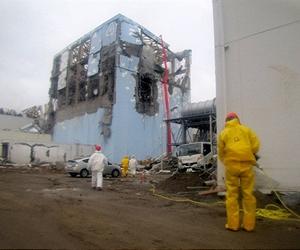
Japan is to solicit proposals from both domestic and overseas nuclear experts and firms for how best to decommission Fukushima's ruined reactors, officials said Thursday.
The International Research Institute for Nuclear Decommissioning will publicly seek ideas as early as this month, an institute official said.
While it is not presently putting the entire decommissioning process out to tender, the body's move will be welcomed by the international community, which has long called for Japan to make better use of available expertise around the globe.
The institute, formed by nuclear-related firms and government-backed bodies in August to dismantle the broken reactors, will screen decommissioning proposals and take the results to the government, the official said.
"We will set up a website in both Japanese and English to notify interested parties at home and abroad of our calls for decommissioning ideas so that we can offer more useful and practical proposals to the government," the official said.
The central government has played an increasingly active role in the clean-up at Fukushima, where the March 2011 tsunami disabled cooling systems, sending reactors into meltdown.
Plant operator Tokyo Electric Power, which was effectively nationalised by a huge government cash injection to stop its bankruptcy, has come in for growing criticism over its handling of the aftermath of the disaster.
Frequent mishaps, including leaks of radiation-contaminated water and a power outage caused by a rat have not helped its standing in the eyes of the global public.
TEPCO's own estimates suggest the full decommissioning of the site could take up to four decades and that much of the trickier work is yet to be done — notably the removal of reactor cores that have probably melted beyond recognition.
According to the utility's own plan, these reactor cores — which are feared to have seeped into the containment vessels and possibly even eaten through thick concrete — will be removed around summer 2020.
Although TEPCO says the reactors are now under control, critics say the plant remains in a precarious state and at the mercy of extreme weather or further earthquakes. They point out that there is still no plan for the thousands of tonnes of water being stored on site.
Tens of thousands of people who were evacuated from the area around the plant are still unable to return to their homes, with scientists warning some areas will have to be abandoned forever because of radioactive contamination.