
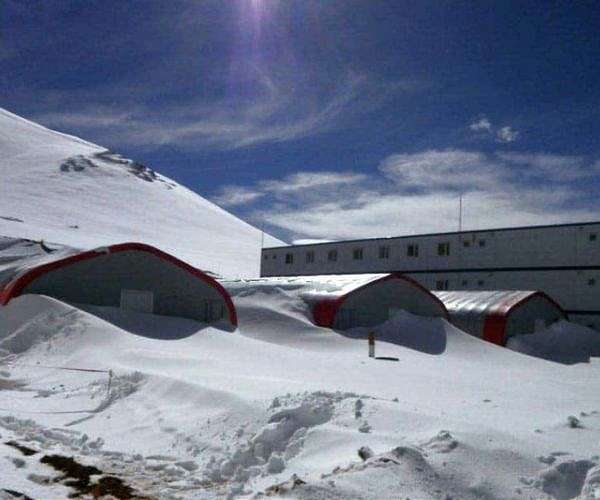
Conducting research in extreme environments demands both resilience and innovation. Field teams face harsh conditions that challenge their ability to gather data effectively. Adaptable and quickly deployable shelters are essential to ensuring their safety and productivity.
When engaging in field research, especially in remote or hostile environments, you encounter a unique set of challenges. These locations often mimic extraterrestrial landscapes, providing critical insights into planetary research missions. The unforgiving nature of these sites requires robust solutions that can withstand the elements while facilitating effective study.
You need to focus on creating adaptable workspaces that provide the necessary support and protection for your field teams. Take pre-engineered structures, for example, which offer an innovative way to address these needs, blending functionality with durability.
Challenges of Conducting Research in Harsh Environments
Research in extreme environments comes with a multitude of challenges. Temperatures can be punishingly hot or bone-chillingly cold, while the terrain is often difficult to navigate. Access to basic amenities is limited, making it crucial for teams to rely on self-sufficient solutions. The ability to quickly set up a base of operations is essential for maximizing the time spent collecting valuable data.
In these demanding conditions, every piece of equipment must serve multiple purposes and withstand harsh treatment. This kind of versatility is crucial when resources are limited and adaptability can make the difference between a successful mission and a failed one.
For researchers venturing into these terrains, the necessity of reliable shelter cannot be overstated. It provides not only physical protection but also a psychological edge by ensuring a safe retreat from the environmental pressures outside. A well-designed shelter allows teams to rest and recharge, maintaining high performance levels throughout their mission.
The Importance of Adaptable and Safe Workspaces
Field researchers require workspaces that can be customized quickly to fit their specific needs. In extreme environments, traditional structures are often impractical due to logistical constraints. Rapidly assembled shelters provide a solution by being both lightweight and easy to transport, yet sturdy enough to handle environmental stressors.
These shelters must offer more than just cover; they need to function as operational hubs where scientific analysis can take place safely and efficiently. Protection from the elements is essential, but so is ensuring proper ventilation and insulation to maintain comfort inside. These factors contribute significantly to the researchers' ability to focus on their work without unnecessary distractions.
An adaptable workspace encourages collaboration among team members by offering a shared space equipped with the necessary tools for data collection and analysis. This creates an environment where ideas can be exchanged freely and solutions devised collectively, which is vital for addressing unexpected challenges.
The Role of Rapidly Assembled Fabric Shelters
Fabric shelters represent a breakthrough in providing quick, reliable shelter options for field researchers. Their ease of setup allows for rapid deployment in even the most inaccessible locations, which is invaluable when time is limited and efficiency is paramount. These shelters are designed to be compact during transport but expand into fully functional bases upon arrival.
Their construction materials are chosen specifically for resilience against environmental wear and tear. Such features are critical when operating in areas subject to high winds, precipitation, or intense sunlight. These shelters not only protect sensitive equipment but also ensure that researchers have a secure place to conduct their activities without interruption.
By integrating advanced technology into their design, fabric shelters can also support scientific instruments directly within the structure. This integration reduces the need for additional infrastructure and minimizes setup time, allowing researchers to dedicate more effort to their primary objectives.
The Benefits of Utilizing Pre-engineered Structures in Extreme Conditions
The use of pre-engineered structures offers distinct advantages when facing the unpredictability of extreme environments. Their design incorporates flexibility with strength, enabling them to withstand severe weather while remaining versatile enough for various applications. These attributes are crucial when dealing with diverse environmental challenges across different research sites.
These structures provide more than just physical shelter; they contribute significantly to logistical efficiency by reducing deployment time and complexity. This is particularly beneficial in scenarios where rapid response is necessary or when conditions change unexpectedly during missions.
Pre-engineered structures enhance operational capability by providing dependable bases from which researchers can launch exploratory activities confidently. They facilitate extended stays by ensuring that teams have all they need within reach – comfortably and securely packaged into one efficient unit.
