
The International Monetary Fund will consider a $130 million accelerated aid package for storm-hit Mozambique as soon as next week, a senior IMF official said Friday.
"We have moved very rapidly to support Mozambique through a Rapid Credit Facility," Abebe Selassie, head of the fund's Africa department, told reporters during the IMF spring meetings.
"We expect the executive board to consider this request as soon as next week, within a month of the cyclone hitting Mozambique."
Cyclone Idai, which cut a path of destruction through Malawi, Mozambique and Zimbabwe last month, would cost the three countries an estimated $2 billion, according to the World Bank.
In Mozambique alone, more than 600 people died among the 1.5 million affected while about 344 died in Zimbabwe. In Malawi, heavy rains during an earlier phases of the storm also left 59 dead.
Selassie said the IMF also will mobilize assistance for Zimbabwe and Malawi in the wake of the storm.
The IMF's Rapid Credit Facilities provides urgent financial aid to poor countries with limited conditions.
Cyclone Idai damages estimated at $2 billion: World Bank
Maputo (AFP) April 12, 2019 –
Cyclone Idai which cut a deadly swathe through Malawi, Mozambique and Zimbabwe last month, is expected to cost the three countries more than $2 billion (1.77 billion euros), the World Bank said.
"(E)arly estimates point to over US$2.0 billion in recovery costs for the infrastructure and livelihood impacts," it said in a statement issued after a meeting in Washington on Thursday.
"To date, about three million people have been affected, with near total damage in the worst affected areas," it said.
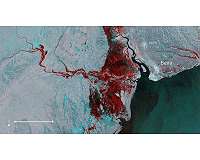
Idai slammed into the Mozambican port city of Beira on March 14 then continued a deadly path westward towards Zimbabwe.
In Mozambique alone, more than 600 people died among the 1.5 million affected. About 344 have been killed in Zimbabwe. Southern Malawi was also drowned in heavy rainfall in an earlier phase of the storm, killing 59.
The lender said the cyclone had damaged the infrastructure corridor connecting the Mozambican port of Beira with Malawi, Zambia and Zimbabwe,"disrupting regional trade and supplies of fuel, wheat and other goods."
The UN has appealed for donations of $282 million (251 million euros) to fund emergency assistance for the next three months.
The World Bank called for "global collaboration" as recovery and reconstruction gets underway for poor and vulnerable populations "in the face of climate and disaster risk."
Mozambique town marks Palm Sunday amid cyclone ruins
Búzi, Mozambique (AFP) April 14, 2019 –
Christians in the cyclone-devastated Mozambican town of Buzi on Sunday celebrated Palm Sunday among ruins — a month after Cyclone Idai tore through the country leaving a trail of destruction.
Around 400 worshippers made their way through the streets for the Palm Sunday procession with fallen trees and buildings with no roofs, windows or doors still visible.
One man held a wooden cross, leading the hundreds of other believers as residents watched from the terraces of buildings that survived the cyclone.
The procession ended with a mass at Lady of Grace Parish Catholic Church, in the township of Barrio Manasse, whose zinc roof sheets were blown off by the cyclone.
Palm Sunday marks the beginning of Catholic holy week, which culminates in Easter Sunday.
"Most of our congregants are still trying to rebuild their houses that were destroyed by the cyclone," the priest, father Celso Taibo told AFP.
"But we still have a high number of congregants in attendance because they still believe in God despite what happened and they believe it's no reason to stop believing in God," he said.
Buzi was one of the areas hardest hit by southern Africa's deadly cyclone.
Cyclone Idai cut a path of destruction through Malawi, Mozambique and Zimbabwe on the night of March 14-15, causing damage worth $2-billion, according to the World Bank.
In Mozambique alone, more than 600 people died among the 1.85 million affected while over 340 died in Zimbabwe.
Two streets away from the church, piles of bibles, school books and even hospital records damaged by water lay strewn along a roadside.
