
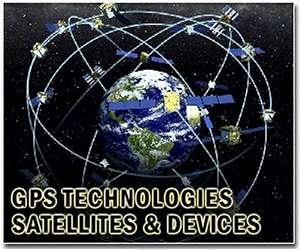
Growing reliance on satellite navigation and Global Positioning System devices is creating a generation with little sense of direction, a U.K. scientist says.
Rosamund Langston, a behavioral neuroscientist at the University of Dundee, says drivers who use in-car computers to find their way around unfamiliar locations are neglecting a "caveman" ability to familiarize themselves with new terrain, The Daily Telegraph reported Thursday.
Langston, who has conducted a study into an "innate sense of direction," says using high-tech mapping solutions will have humans paying less attention to their surroundings and landmarks that aid our natural ability to find our way around.
"Having a visual reminder aides recognition and is likely to help when trying to remember a route or direction. It's probably the way we've been navigating the land since the caveman times," she says. "With GPS devices and the increase in popularity of high-tech navigational tools, we're doing less of this visual navigation which the earliest humans will have used expertly.
"If most of our time traveling through new areas is spent following a flashing arrow instead of looking out of the windows, we're not likely to know any more about the place for having been there," she says.
Share This Article With Planet Earth
