
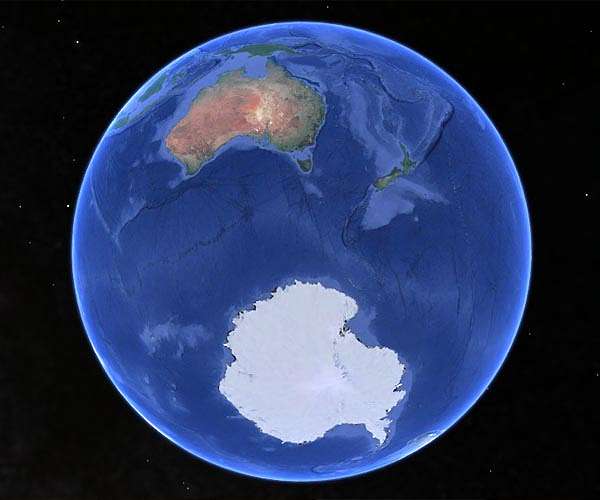
France and Costa Rica have jointly bid to host the next UN Ocean Conference, in 2025, French President Emmanuel Macron told some 7,000 diplomats, experts and advocates at this year's meet in Lisbon.
"We should — as was done for climate in Paris in 2015 — set ambitious objectives for biodiversity, especially for oceans," he said in plenary.
"In the coming years, we must rally the international community."
Ending Friday, the week-long conference was attended by representatives from 140 countries and a score of world leaders, including the presidents of co-hosts Portugal and Kenya.
The second UN meet devoted to the oceans — which cover 71 percent of Earth's surface — is not a negotiating forum for international policy.
But discussions and initiatives launched here will help set the agenda at two critical summits later this year: the COP27 UN climate talks in November, hosted by Egypt, followed by the long-delayed COP15 UN biodiversity negotiations, recently moved from China to Canada.
At the heart of the COP15 draft treaty is a provision to designate 30 percent of Earth's land area and oceans as protected zones by 2030.
Currently, under eight percent of oceans have protected status.
In UN climate talks, oceans until recently have not even rated a mention despite global warming's dire impact on seas, and the key role oceans play in soaking up atmospheric CO2.
"It took 21 COPs for oceans to work their way onto the climate agenda," Sabine Roux de Mezieux, president of Fondation de la Mer, told AFP, referring to the yearly UN climate summits.
Leaders must deliver 'strong' ocean treaties: Greenpeace
Lisbon (AFP) June 30, 2022 –
Governments must adopt strong, enforceable treaties to protect oceans affected by global warming, overfishing and rampant pollution, Greenpeace activists said while staging a protest Thursday at the UN Ocean Conference in Lisbon.
"Our leaders are failing to deliver on their promise to protect the oceans," said Laura Meller, lead for the environmental group's protect the oceans campaign.
"We need a strong global ocean treaty that really changes how we look at the ocean and puts protection over profit," she said on the margins of the five-day meeting, which ends Friday.
Draft treaties slated for completion this year must "create a network of ocean sanctuaries that allows marine life to heal".
The Lisbon conference — attended by government officials, experts and advocates from 140 countries — is not a negotiating forum.
But it will help set the oceans agenda at two critical summits later this year — the COP27 UN climate talks in November, hosted by Egypt, followed by the long-delayed COP15 UN biodiversity negotiations, recently moved from China to Canada.
At the heart of the COP15 draft treaty is a provision to designate 30 percent of Earth's land area and oceans as protected zones by 2030.
Currently, under eight percent of oceans have protected status.
The United States, European Union nations, Mexico, Canada, Japan and India are among 100 nations to have endorsed the so-called 30-by-30 target. China, Russia, Indonesia and Brazil have yet to do so.
In August, nations will also try to finalise a separate treaty — decades in the making — governing the exploitation of marine life in the high seas beyond areas of national jurisdiction known as "exclusive economic zones".
Greenpeace activists sought to mount a banner showing a dead shark with the inscription "Killed by Political Action" at the conference site, but were stopped and escorted off the premises.
