
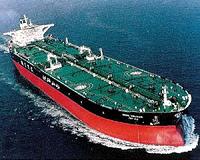
Global demand acceleration and more oil shipments could mean a pick up next year for the tanker industry, though headwinds remain, Fitch Ratings said.
Fitch Ratings said Monday new deliveries of oil tankers, and the dismantling of older ones, meant the tanker market, just like the broader oil market, will be over-supplied for the time being. The capacity of new vessels by the end of the year will be about 6 percent higher than in 2016.
"We expect rising global oil consumption, higher U.S. exports and gradually moderating oil inventories to drive a moderate increase in tanker demand in 2018," the report read. "Demand could therefore rise by about 4 percent, potentially matching supply growth."
The Organization of Petroleum Exporting Countries is working to drain the surplus on the five-year average of global crude oil inventories through coordinated production declines. The effort to balance the market is offset somewhat by record-setting U.S. crude oil exports, backed in part by a shale sector that's been more resilient to lower crude oil prices than initially anticipated.
Teekay Corp., with a portfolio of around 200 tanker units, is one of the largest companies of its kind in the world. The vessel company posted third quarter revenue of around $500 million this year, about 3 percent lower than the same period last year.
Driven in part by emerging demand for vessels for liquefied natural gas, Teekay President and CEO Kenneth Hvid said the bottom line was improving.
"We are starting to see green shoots of an energy recovery in our LNG, offshore and crude oil tanker businesses," he said in a statement last week.
Nevertheless, Fitch said the vessel market was still facing headwinds, with contract rates at or below the current norm. That said, metrics won't repeat the slump from the last two years, when oil prices were at historic lows.
Fitch said that those companies placing big bets with long-term contracts will be the ones turning in bigger profits, "while those with few long-term contracts are likely to break even at best."
Traces of major palm oil spill still linger in Hong Kong
Traces of palm oil are still fouling a remote part of Hong Kong's shoreline three months after a major spill caused by a ship collision, environmentalists say.
One thousand tonnes of the solidified oil leaked from a cargo ship which collided with another vessel near the Pearl River estuary in early August.
More than 200 tonnes reached Hong Kong's shores, forcing beaches to close and kill … read more
