
The European Union's foreign policy chief on Thursday condemned Washington's move to end sanction waivers for countries remaining in the Iran nuclear accord, warning it would make it harder to keep Tehran in check.
Donald Trump's administration announced Wednesday that it was ending the waivers because of a series of "escalatory actions" by Iran aimed at pressuring the United States, which pulled out of the accord in 2018.
But the EU's Josep Borrell highlighted the "enduring importance" of the deal, known as the Joint Comprehensive Plan of Action (JCPOA), because it was vital to ensuring that Iran's nuclear activities remain above board.
"The agreement remains the best and only way to ensure the peaceful nature of the Iranian nuclear programme," Borrell told a United Nations Security Council meeting on Europe-UN relations.
"This is why I regret yesterday's decision by the US not to prolong the waivers for the JCPOA-related nuclear projects.
"This will make it more difficult for the international community to ensure the exclusively peaceful nature of Iran's nuclear programme."
Iran has taken small steps away from its nuclear commitments in a bid to get Washington to remove sanctions as called for by the 2015 accord.
Trump quit the agreement negotiated under his predecessor Barack Obama, under which Iran had drastically curbed its nuclear activities.
But the Trump administration until now had issued waivers to allow companies, primarily from Russia, to keep carrying out the work of the agreement without risking legal ramifications in the world's largest economy.
Iran's UN ambassador said that with the end of waivers, US Secretary of State Mike Pompeo was pulling the "final plug" on the nuclear deal two years after Trump withdrew the US from it.
"Claiming US is STILL 'Participant' is not just preposterous; it's FALSE," the envoy Majid Takht Ravanchi tweeted.
The envoy was referring to Washington's claim that it remains a participant in the deal, despite renouncing it, and can push to extend an arms embargo on Iran due to begin expiring in October.
Iran dismisses 'desperate' US move to end nuclear waivers
Tehran (AFP) May 28, 2020 –
Tehran on Thursday dismissed the impact of what it called Washington's "desperate attempt" to end sanction waivers for nations that remain in the Iran nuclear accord.
The Atomic Energy Organisation of Iran said the United States had made the move in a bid "to distract public opinion from its continued defeats at the hands of Iran".
"Ending waivers for nuclear cooperation with Iran… has effectively no impact on Iran's continued work" on what the Islamic republic insists is a purely civilian nuclear energy programme, its spokesman Behrouz Kamalvandi added in a statement published on the agency's website.
The US decision, he said, was in response to Iranian fuel shipments to Venezuela — which is also under US sanctions — and the "significant advancements of Iran's nuclear industry".
US Secretary of State Mike Pompeo said Wednesday that the United States was responding to Iran's "brinksmanship" — its scrapping of certain nuclear commitments aimed at pressuring Washington to remove sanctions as called for by the 2015 accord.
"These escalatory actions are unacceptable and I cannot justify renewing the waiver," Pompeo said in a statement.
Iran's ambassador to the United Nations said that with the move, Pompeo was pulling the "final plug" on the nuclear deal after President Donald Trump withdrew the US from it in 2018.
"Claiming US is STILL 'Participant' is not just preposterous; it's FALSE," the envoy Majid Takht Ravanchi tweeted.
He was referring to Washington's claim that it remains a participant in the deal, despite renouncing it, and can push to extend an arms embargo on Iran that is due to begin expiring in October.
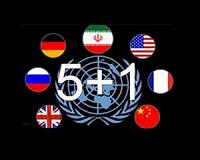
The remaining parties to the deal known formally as the Joint Comprehensive Plan of Action, or JCPOA, include Britain, China, France, Germany and Russia.
In May 2019, Iran announced it was suspending nuclear commitments to the deal, starting with removing limits on its heavy water and enriched uranium stockpiles.
It was in retaliation for US sanctions and what Iran deemed Europe's inaction to provide it with the JCPOA's economic benefits.
Washington had until now issued waivers to allow companies, primarily from Russia, to keep carrying out the nuclear work of the agreement without risking legal ramifications in the US economy.
It will end waivers that allowed the modification of the heavy water reactor in Arak, which prevented it from using plutonium for military use, as well as the export of spent and scrap research reactor fuel.
Kamalvandi said ending the waivers would not impact Iran's continued work on the Arak reactor and "other equipment" by Iranian experts.
