
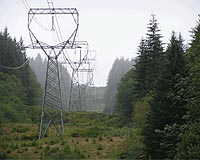
A transmission line that will carry energy generated by solar plants in southeastern California was approved by the California Public Utilities Commission. The California portion of the Devers-Palo Verde No. 2 transmission line will provide clean power from desert areas to urban centers in California.
The Sierra Club and the Natural Resources Defense Council strongly support the line because it will help California meet its renewable energy target of 33 percent by 2020 and have minimum impacts on California's wildlife and natural resources.
"Projects like the California portion of the Devers-Palo Verde No. 2 transmission line show that we can strike a balance in building a clean energy future and protecting special places in California outstanding for their wildlife, scenic and recreation values," said Johanna Wald, senior attorney for NRDC.
"By concentrating our development footprint, we can minimize impacts on California's cherished wildlife and recreation resources."
The 500-kV transmission line project spans 170 miles in two segments across Southern California – 128 miles along Interstate 10 from North Palm Springs to Blythe, and 42 miles from Romoland to North Palm Springs. The new line would travel alongside existing power lines from virtually start to finish and follow the path of Interstate 10 for most of its route.
"The is a big step forward for meeting California's goals to power our homes and businesses with properly sited renewable energy," said Barbara Boyle, Senior Western Representative for the Sierra Club. "There is ample opportunity to site new solar projects on degraded or disturbed lands in the eastern Riverside County area."
Numerous renewable energy projects have been proposed along the route of the proposed Devers-Palo Verde No. 2 transmission line. NRDC and Sierra Club are working together, along with other environmental groups, to ensure that those lines that are developed have the fewest environmental impacts possible.
Share This Article With Planet Earth
