
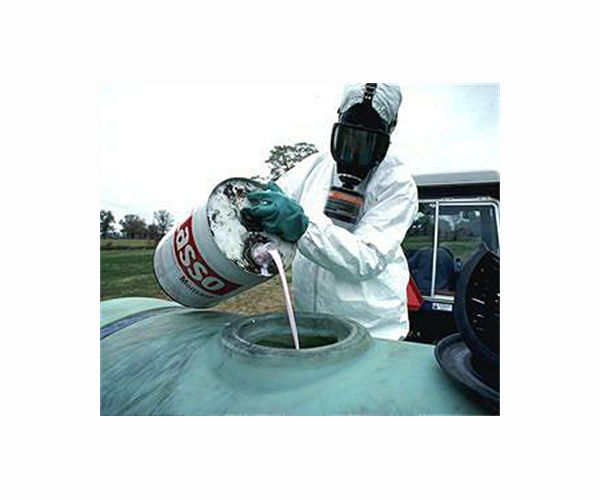
Brazil's lower house of Congress has passed a controversial bill overhauling regulations on pesticide use, dubbed the "poison package" by critics but defended by backers as necessary to protect the country's vital agribusiness sector.
The legislation, which has been in the works since 2002, passed the Chamber of Deputies late Wednesday by a vote of 301 to 150, with two abstentions, and now goes to the Senate.
The bill eases regulations governing the approval, use and monitoring of chemical pesticides in Brazil, an agricultural powerhouse that is the world's biggest producer and exporter of soy.
It passed with the backing of far-right President Jair Bolsonaro's government, which has close ties with agribusiness and regularly clashes with environmentalists and health experts.
The legislation would notably overhaul the approval process for pesticides, putting it under the sole control of the agriculture ministry, with the environment ministry and health authorities relegated to an advisory role.
"Brazil needs (agricultural) defenses just as it needs vaccines," said lawmaker Diego Andrade, a backer of the bill.
But opponents condemn the legislation as dangerous for public health and the environment.
Opposition leader Alessandro Molon warned it would have "irreversible" consequences, and accused the Bolsonaro administration of "negligence."
"They are clearing the way to put poison on our plates," he said.
"The Bolsonaro government and lawmakers allied with agribusiness are opting for an agricultural production model that makes people sick, destroys our forests and kills," said environmental group Greenpeace.
